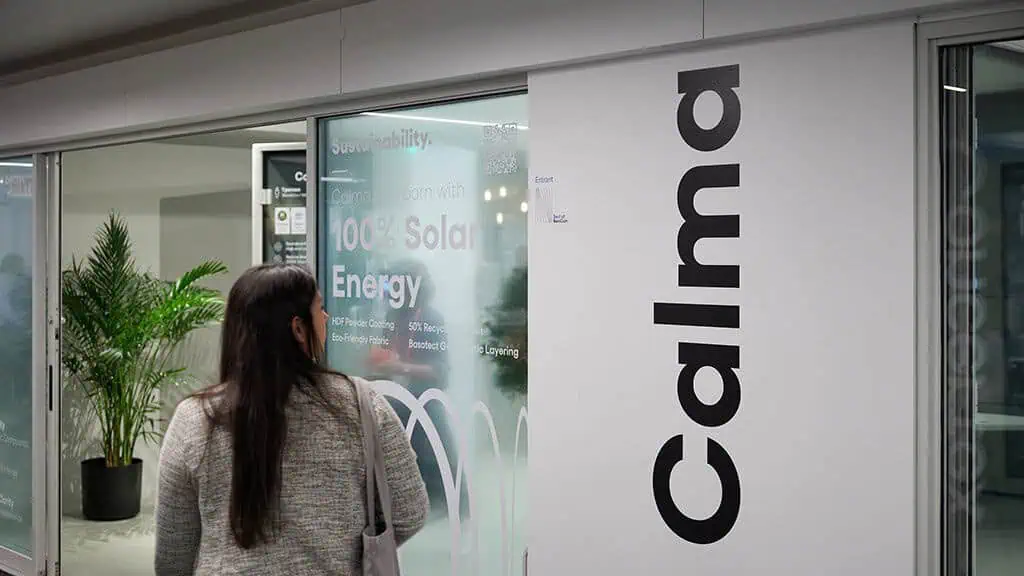
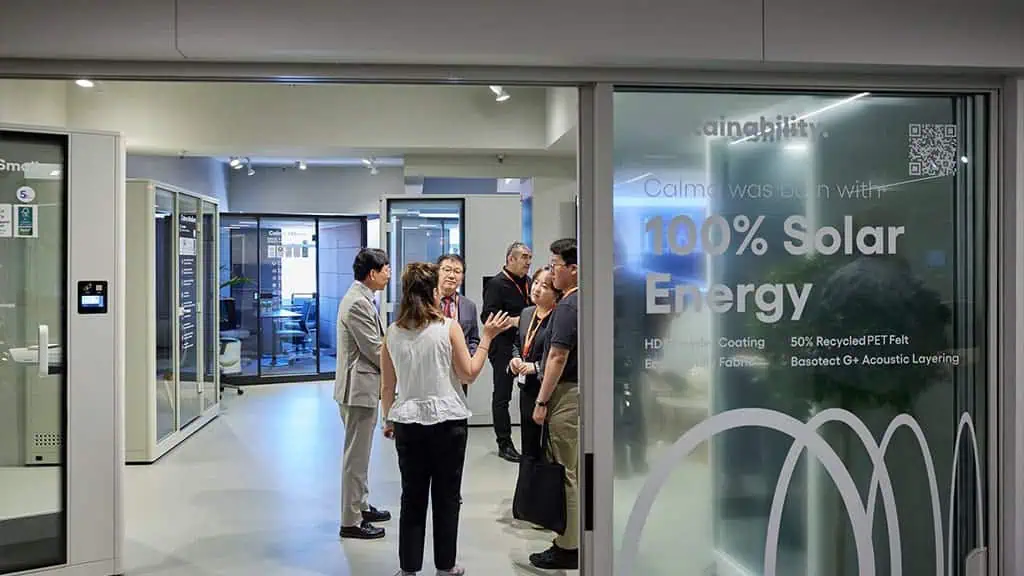
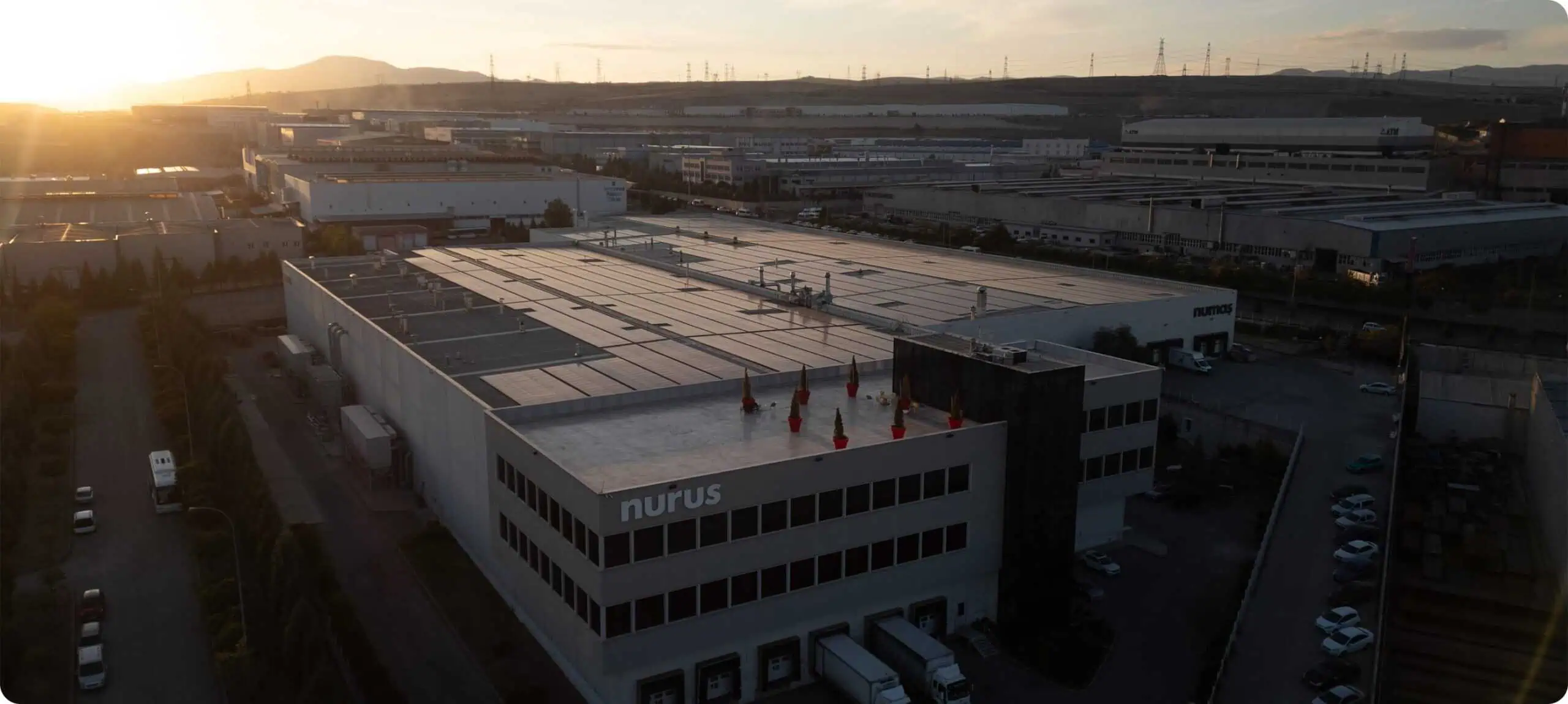
The Nurus factory meets 70% of its annual total energy needs from solar panel system installed on its rooftop.
We understand that every decision counts, and our growth is driven by a steadfast commitment to sustainability.

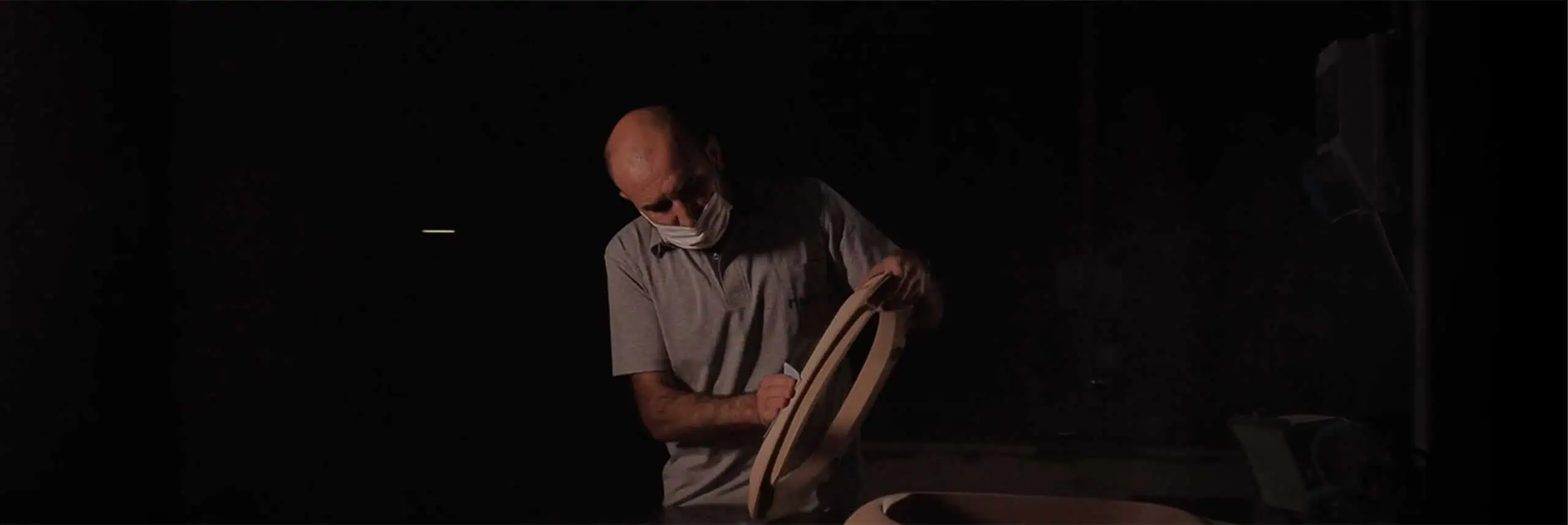
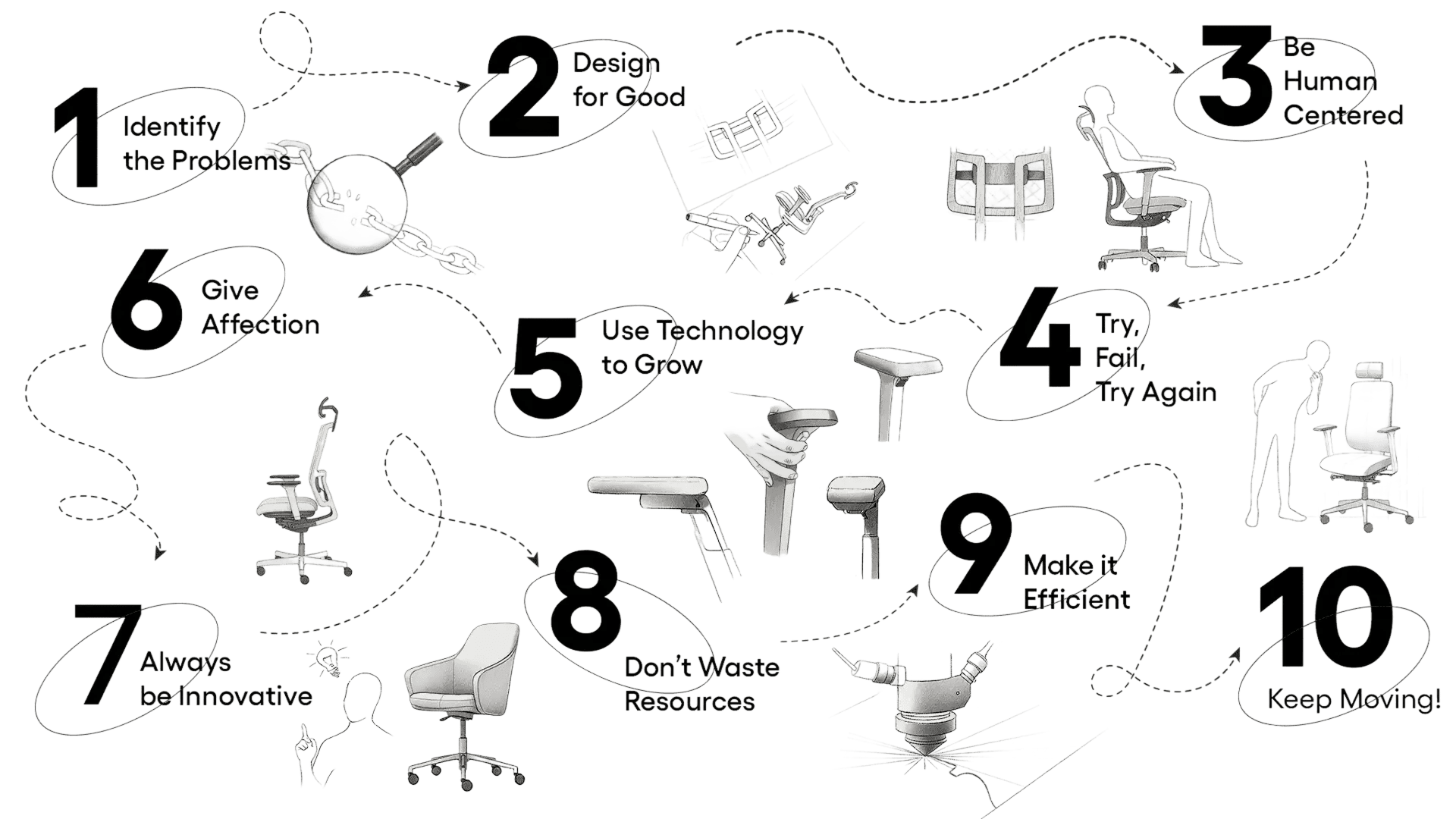
For almost a century, we've put people at the center of work. Nurus creates thoughtful solutions for modern work life. From design to delivery, every step is shaped by strong R&D, cutting-edge tech, and conscious material choices. Our goal? Not just to build furniture—but to build smarter, more sustainable tools that work with you, not against you.

Founded in 1927 by Nurettin Kunurkaya, Nurus has evolved from a carpenter’s workshop into an international brand. Since its establishment, the company has specialized in the production of office furniture while remaining committed to sustainability in design, manufacturing, and management.
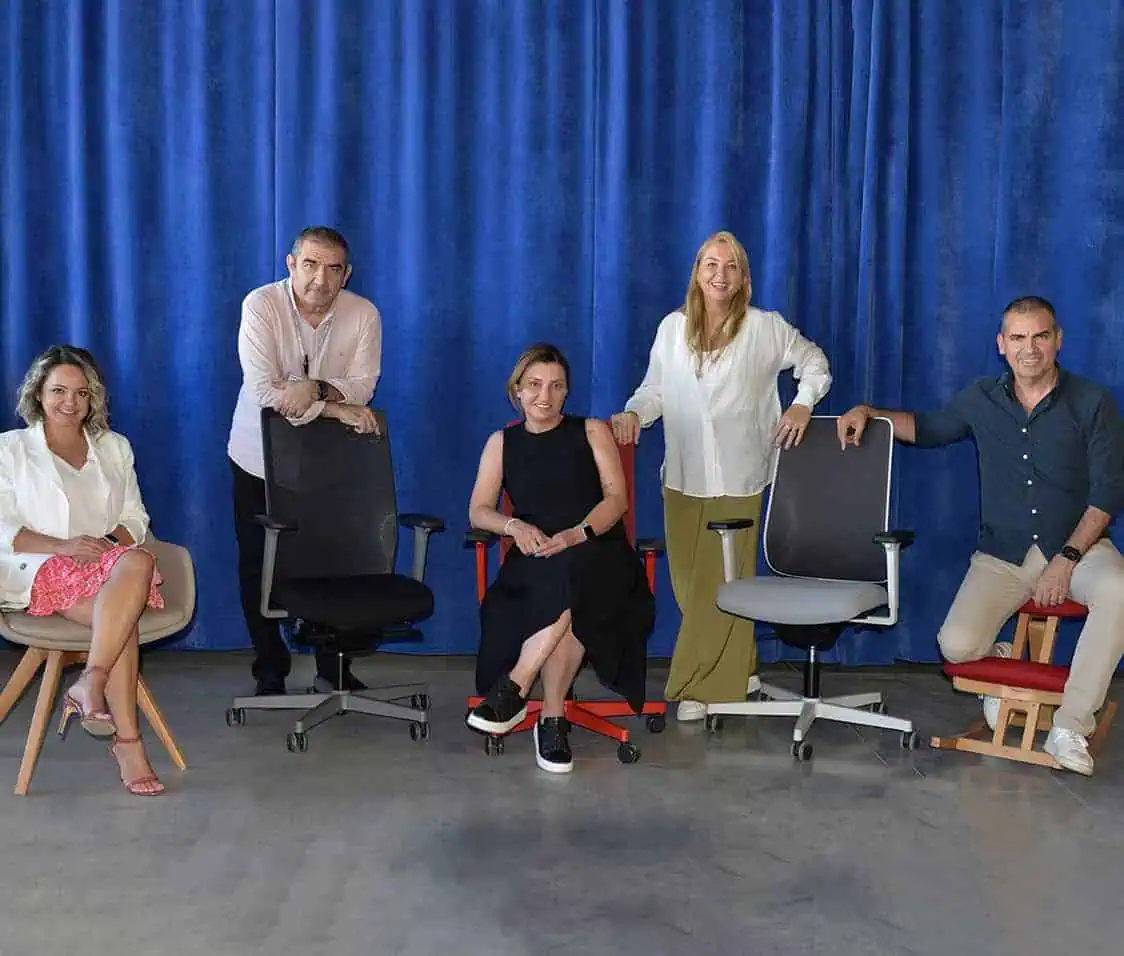
The 98-year-old company is currently led by the third generation: Renan Gökyay and Güran Gökyay. Under their leadership, Nurus continues its commitment to innovation and sustainability. The Nurus board of directors consists of 50% female members, reflecting the company’s commitment to gender equality. Nurus leaders and the community continue to drive the company’s growth, facing modern challenges while preserving its legacy and embracing new opportunities
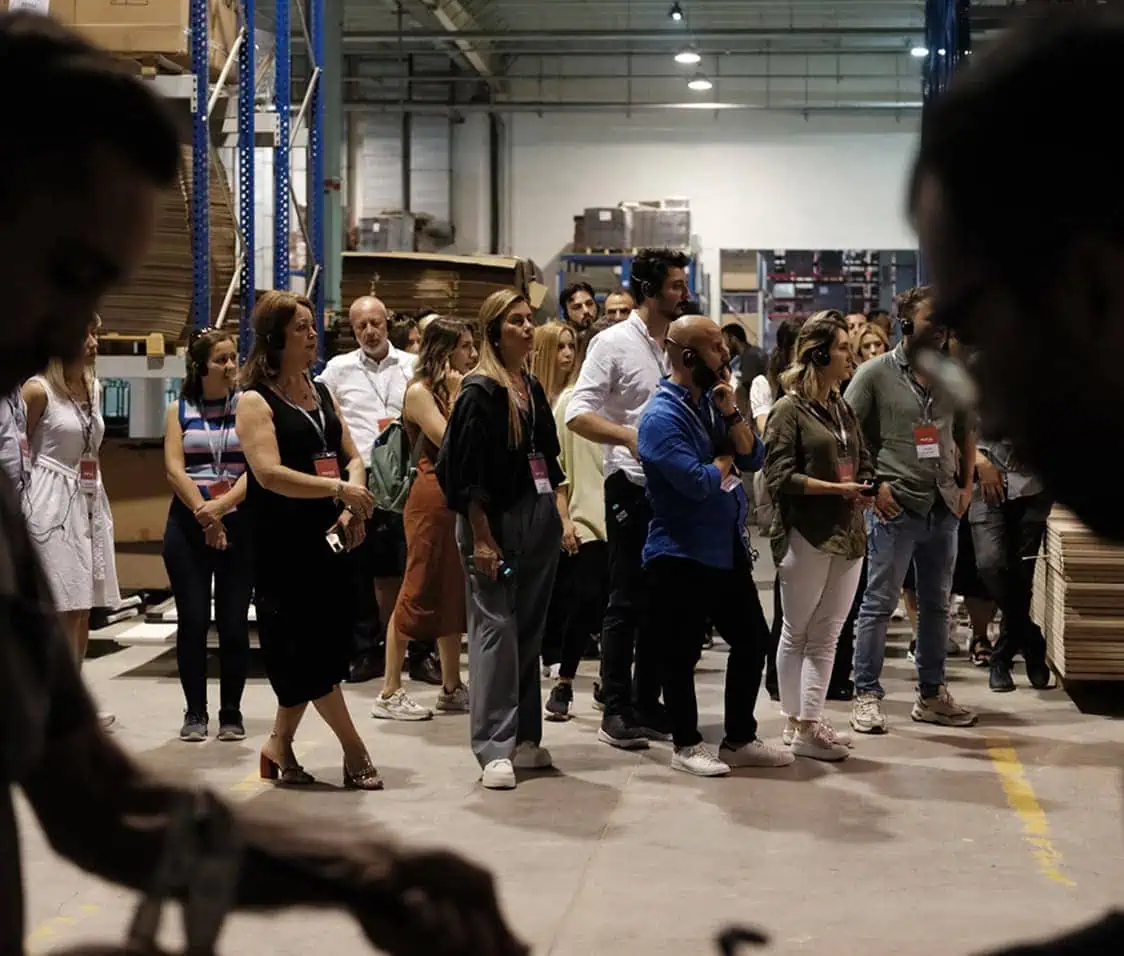
Nurus values motivation and ethical consistency, creating a community that can think innovatively and remain loyal. The company continues to achieve success with a team of over 500 experienced craftsmen and dynamic, talented individuals. All project and production processes are managed with vertically integrated systems focused on efficiency, ensuring high quality and sustainability in their products.
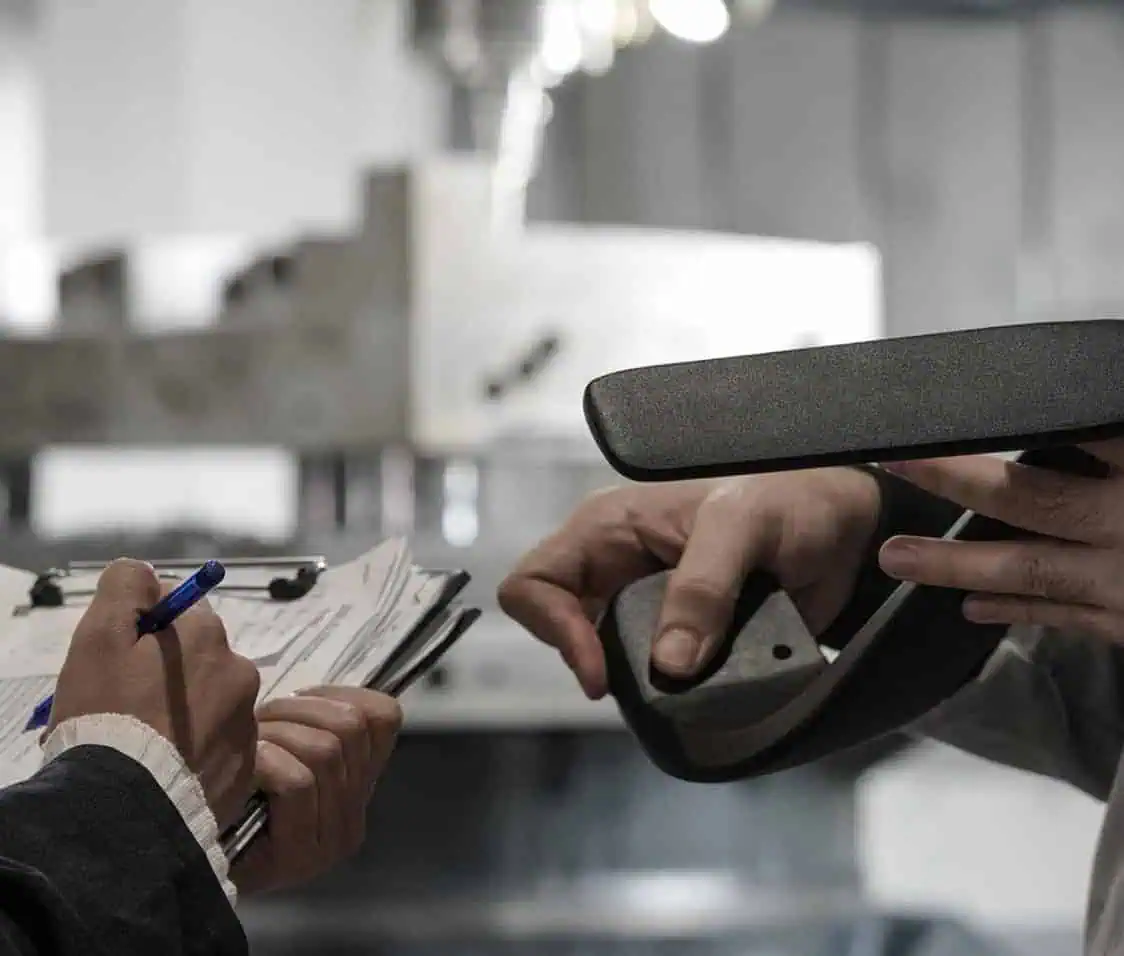
Nurus redefines living spaces with products that easily adapt to their environment and can be personalized. The company’s 45,000 m² production facility adheres to international standards, boasting high-volume production capacity with over 70 actively renewed certifications each year. For Nurus, design is a process that begins with needs and reaches solutions through innovation.






We understand that every decision counts, and our growth is driven by a steadfast commitment to sustainability.

The Nurus factory meets 70% of its annual total energy needs from solar panel system installed on its rooftop.

Nurus ensures domestic and national production by operating all 16 main production lines in a circular structure at its manufacturing facility, which achieves 95% vertical integration.

Nurus sustainability and management systems teams carefully track and record the circular use of PP materials within the facility and make sure they are recycled.

Nurus sustainability and management systems teams ensure the recycling of nearly 52.745 kgs of materials consumed at the facility each year.

62% of the vehicles in our company fleet are electric.
















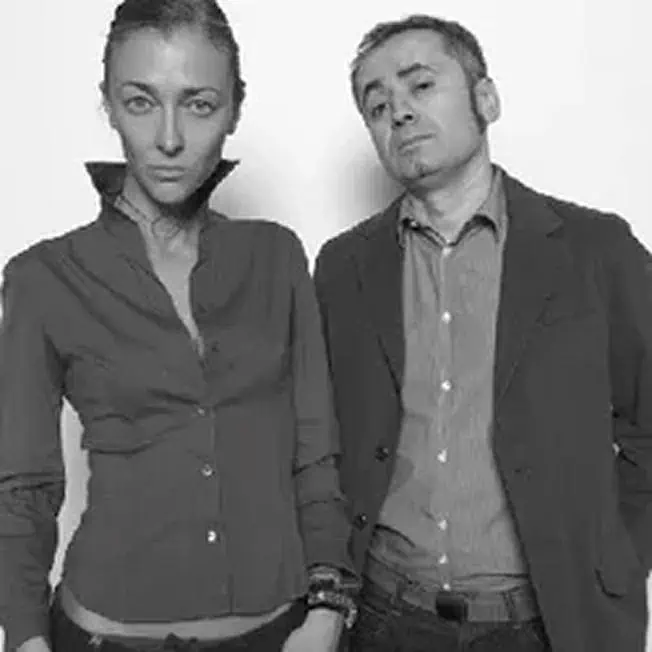
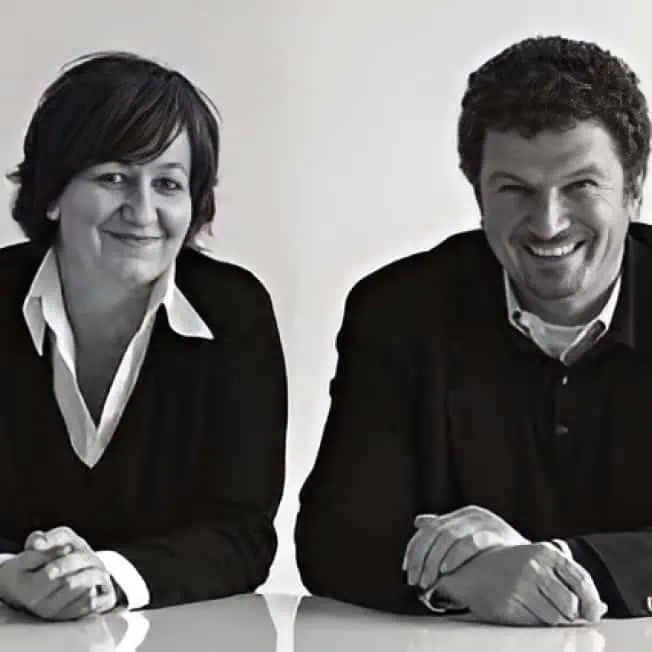
Sezgin Aksu Following his work in Stuttgart, Paris and Milano, Sezgin Aksu started cooperating with Michele De Lucchi in his Milan based studio, in 1996. Working on projects around the world or companies like Compaq, Olivetti, ENEL, Siemens, Kddi, Telecom Italia, and Aksu also continues to teach at Istituto Europeo di Design/Milan and NABA/Milan. Silvia Suardi Born in Italy in 1967, Silvia Suardi studied in Milan (Politecnico di Milano) and in Seville, Spain. Silvia Suardi started her career at Michele De Lucchi Studio, and worked there for almost 10 years. In 2001, Suardi co-founded AKSU/SUARDI with Sezgin Aksu in Milan, serving to a large spectrum from public areas to home decoration, in industrial furniture and graphic design. Some of the studio’s clients include Antonangeli, Caimi Brevetti, Credit Agricole Asset Management (CAAM), Eurizon Capital Sgr Spa, eDePadova, Koleksiyon, Gebrüder Thonet Vienna, Nemo-Cassina, Poltrona Frau, Olivetti, Rubinetterie Teorema, Slide and Serafino Zani. AKSU/SUARDI Studio won many awards like the Red Dot Design Award in 2007, Design Turkey 2008, Good Design USA 2008 and Design Nominee 2008 for the U Too system produced by Nurus (Turkey)’ ADI Design Index (2003) and Kaleidoscope – Caimi Brevetti. Suardi, who worked in various international magazines, also is the author of two books; Michele De Lucchi: Dopotolomeo’ and ‘Marco della Torre. Il progetto per l’arte. Suardi also lectures on design and exhibition design in several design and architectural schools
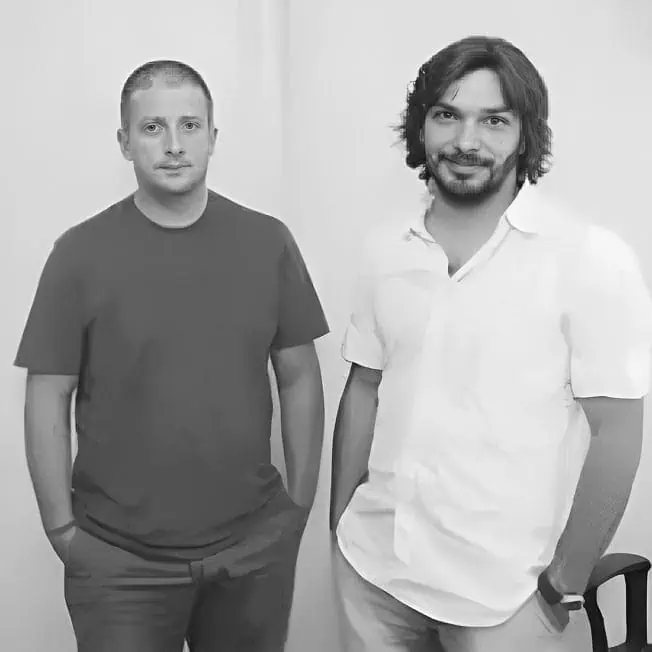
Alper Böler: Born in Istanbul in 1975, Alper Böler is a product and furniture designer who graduated from the Industrial Design Department at Marmara University. After working with various furniture and interior design firms, he co-founded Ünal & Böler Studio with Ömer Ünal in 2000. Through this studio, Böler presented projects on international platforms such as Milano Salone Satellite, Designersblock London, Stylepark Cologne, Designersblock Frankfurt, and Blickfang. His “Petek Bookcase” was featured in Wallpaper magazine’s Global Edit Exhibit and received the Gioia Casa Best 100 Design Award. His “Salkım Bookcase” design was sold at the Vienna MAK Museum and Istanbul Modern museum shops. In 2008, he founded Alper Böler Design, continuing his practice independently. His work has been featured in international publications such as Wallpaper, Frame, Abitare, and Surface. In 2009, his collection “Housework: Design Domesticated” was exhibited at New York Design Week. That same year, he was invited as a speaker at Parsons The New School of Design and received second place in the British Council’s International Young Design Entrepreneur Competition. His “Sema Side Table” for Nurus was awarded the 2009 iF Design Award and was exhibited at the ILK show in Milan. Ömer Ünal: Ömer Ünal began skateboarding in 1981 and designed and built Turkey’s first skate ramps in 1987 and 1990 in Kadıköy. After graduating from Marmara University’s Department of Interior Architecture, he completed a design-focused master’s degree at Domus Academy and a second master’s at Marmara University. In 2000, he began his architectural practice at Ünal Mimarlık and co-founded Ünal & Böler Studio with Alper Böler the same year, contributing to numerous residential and housing projects. Returning to skateboarding events in 2007, he organized festivals such as SkateFest and designed various mobile and concrete ramps in areas like Caddebostan, Dragos, and Alçak Skate Park. His designs have been exhibited in cities such as Milan, London, Cologne, and Istanbul, and have received awards from organizations like Apple, iF Design, and Casio G-Shock. His “Sema Side Table” for Nurus was recognized with the iF Design Award.
Arik Levy was born in Tel-Aviv in 1963 and at the age of 27, he went to Europe leaving behind his graphic design studio and surfboard store. In 1991, Levy graduated with distinction, from Industrial Design, Art Center Europe in Switzerland. After the Seiko Epson competition he won in Japan, he focused on his career as a professional designer and participated in various design exhibitions. Levy returned to Europe and introduced his innovative concepts and installment ideas for contemporary dance and opera set design. Levy develops interior and graphic design projects for European and international markets in L Design based in Paris, with his partner Pippo Lionni and their team of designers. Levy projects his technical skills and creativity to many disciplines and topics from product development to lighting designs, from corporate identity to packaging, from purchase to sign design, and from exhibitions to interior and set designs. Because of his innate scientific and poetic understanding, innovation, simplicity and experimentation in design: Levy can transform concepts to products, spaces and experiences. Levy’s work, which is displayed worldwide in museums, galleries, fairs and alternative venues are kept in the permanent collections of international respected museums and establishments. Some of Levy’s clients in L Design are Vitra, Vizona, Desalto, Ligne-Roset, Cinna, Seiko Epson Inc., Gaia & Gino, Boutet, Sentou, L’Oréal, Serralunga, Baleri Italia, Lanvin, Boucheron, Alon Segev Gallery, Belux, Elica, Ansorg, Renault, Tronconi, Sector Sport Watches, Designers Carpets, Tai Ping, Baccarat, Galeries Lafayette, Swedese and Softline Allkit.
Born in 1963 in Istanbul, Atilla Kuzu graduated from the Interior Design Department, Fine Arts Faculty of Industrial Design of Marmara University in 1987. He worked at Temel Sanat Mimarlık Ofisi (Architectural Firm) in 1986-1987, Redesign Mimarlık Ofisi (Architectural Firm) in 1987-1988 and Leo Design Mimarlık Ofisi (Architectural Firm) in 1988-1989. Kuzu worked at Midek A.Ş. between 1990 and 1994, renewed, and constructed the Beymen, Derimod, Vakko, Yargıcı and Roman stores. In 1994, he cofounded Zoom Tasarım Proje Uygulama (Zoom TPU/Design Project Application) with Levent Çırpıcı. Atilla Kuzu attended many conferences, exhibitions and competitions. He was a participant at ‘Interior Design in Turkey and Germany’ organized at the Istanbul Commerce University in 2005; a speaker at the ‘Projects and Applications’ organized at the Karadeniz Technical University and at the conference organized at the Çukurova University in 2006; a speaker at the ‘Interior Design and Furniture Design’ conference organized by the Turkish Chamber of Architects and a participant in the ‘Home Design with a Single Material’ workshop organized at the Karadeniz Technical University in 2007; a jury member at the ArkiParc’08 Fair organized in Istanbul and a participant at the “Fractal Geometry” workshop organized at the Karadeniz Technical University in 2008; a jury member at the 5th National Home Furniture Design Competition organized in Istanbul a participant at the Fractal Geometry workshop organized for Interior Design students of Anadolu University and at the ‘Fractal Geometry’ workshop organized at the International Cyprus University and as a jury member at the Interior Design Projects finals organized by Izmir Commerce University in 2009. Kuzu also was a speaker at the ‘Industrial Design for Added Value in the Construction Sector’ and ‘Advice to Students on Design and Interior Design’ conferences organized in Istanbul, again a speaker at Career Days organized at the Yeditepe University, at the ‘Design Process’ conference organized at Mimar Sinan Fine Arts University and at the conference organized at the Maltepe University in 2010. Kuzu was a jury member at the Meerschaum Stone Design Competition organized in Eskişehir in 2010. Kuzu has many national and international awards and he won 2nd place in the fair stand designed in accordance with its purpose category at the International Turkeybuild Fair in 1998. In 1999, he made it to the final with his work called ‘Taklamakan’ at the competition organized by IFDA in Asahikama, Japan for wood furniture, with the motto ‘Design with Love, Love with Wood’. In 2002, Kuzu won an award with his ‘Barringer’ coffee table at the wood furniture design competition organized by IFDA every three years; Barringer is now manufactured in Japan. Kuzu and his partner Levent Çırpıcı was among the finalists at the World Architectural Festival for their interior design of the Acıbadem Maslak Hospital in 2009. In 2010, Atilla Kuzu won first place in the Stand Designed Suitable to its Purpose with the stand he designed for Aspen Construction Systems Company at the YAPI Istanbul fair. At the same year, Kuzu was deemed worthy of the Best Kitchen Design award for the ‘Open’ series he created for INTEMA, at Elle Décor Edida.
Ayşe Bor completed her education in the Industrial Product Design department at Eskişehir Anadolu University. In 2012, she was awarded the International WorldStar Student: The Global Packaging Award at Michigan State University in the USA for her packaging design. Focusing on materials, functionality, and manufacturability in her designs, Bor began her career in the lighting industry. Between 2013 and 2017, she contributed many custom lighting designs to the industry as a lighting designer and led numerous special projects. Continuing her professional career in Ankara, she has been working with Nurus DLab since 2017. As the Design Manager since 2020, Bor continues her career in Netherlands and established her own studio. With her successful management of designer relations over the years, she leads the design team at Nurus DLab and continues her works at Ayse Bor Studio.
Born in 1950 in Istanbul, Aziz Sarıyer started to design furniture and interior design professionally after founding Derin Design in 1971. Sarıyer’s interest in the profession and his consistent work placed him in a major position in the world’s design arena. In 1999, he developed his collection he designed for Derin and a year later, he was among the few well-known brands. Sarıyer worked with Cappellini, Moroso, Zeritalia and Scia. In 2004, Sarıyer was included in the 100 Designers of the 21st Century Encyclopedia, published by Terence Conran Publishing in the UK and his contribution for carrying the concept of design in Turkey to reach the developed design values of the world is major. With many national and international awards to his name, Sarıyer was also deemed worthy of the Wallpaper Design Award for Birth Table in 2006. In 2007, Sarıyer won awards in the office furniture category for his design ‘Gull Sofa’ at the Industrial Designers Association Turkey Design Awards and ‘The Moon Desk’ at the Elle Decor International Design Awards (EDIDA). Sarıyer also received a Superior Design Award from Design Turkey with ‘Gull Sofa’ in 2008. Among Sarıyer’s most known designs are Pause bookcase (2003) designed for Moroso, Boomerang Sofa designed for Derin Design (2003), Liqurizia Sofa designed for Altreforme (2007) and Gull Sofa designed for Alparda.
Charles Pollock was born in 1930 in Philadelphia, Pennsylvania. In 1944, he attended Cass Technical High School where he received an extensive education in art and design. While still at school, Pollock started to work at the Chrysler Corporation. A star student at Cass Technical High School, Pollock won many poster competitions and numerous awards. With the support of Cass Technical High School, he received a full scholarship from the Pratt Institute, School of Art and Design in New York. At the Pratt Institute, Pollock focused on the disciplines of sketching and model making. While touring Pratt, industrial designer George Nelson saw one of Pollock’s sculptures and was impressed. Pollock then visited Nelson’s studio, presented the sculpture as a gift, expressing his desire to work with Nelson when he graduated. After graduating from the Pratt Institute, Pollock was drafted into the Army and was stationed at Fort Benning, Georgia. During his time in the military, Pollock worked as an art director for Infantry Magazine and his painting called ‘Boot’ became the cover. He also taught a series of art lessons on the base for while. After returning to New York, Pollock started designing products and interiors for Radio City Music Hall’s acclaimed designer Donald Deskey. Pollock then had his opportunity to work for George Nelson. Pollock left Nelson’s studio to open his own studio in Brooklyn, where he could make models and full-scale prototypes. Due to the success of the Swag Leg Collection he designed with Nelson, Florence Knoll took note of his designs. Pollock designed the 657 Sling Chair for Knoll. Florence Knoll made an investment in the young designer, and Pollock spent the next five years working and developing new products. Pollock continued developing new concepts and products, which culminated in the release of the Pollock Chair for work areas in 1965. The chair was notable for Pollock's patented invention of rim technology and the simplicity of its assembly. When released, the Pollock Chair was an instant success and became a visual symbol of the modern workplace. The Pollock Chair became one of the best-selling office chairs in history and spawned numerous copies over the years. Knoll still manufactures the original Pollock chair. Knoll retired in 1965, which marked the end of an era in modern design. Pollock subsequently turned his attention to Europe, where he spent many years skiing, sculpting and painting. He continued to devote his life to design, and in 1982, he introduced the award winning Penelope Chair for the Italian company Castelli. The Penelope Chair was a major breakthrough because it was one of the first passively ergonomic chairs produced with simple parts. Pollock's designs were governed by two principles. Creatively, he favored a continuous curved line when sketching ideas and creating forms. The second principle was that any product must be visually attractive, functional, and affordable. His designs were technically advanced, yet easy to manufacture at a reasonable price. Pollock is the recipient of the IBD Bronze Medal Award, the Dutch Institution for Industrial Design and Pratt Institute's Excellence by Design Award. His work is exhibited in many museums around the world. In 2012, the 82-year-old Pollock introduced his first new product in America since the debut of his iconic Pollock Chair forty-seven years earlier. Bernhardt Design commissioned Pollock’s new collection CP Lounge.
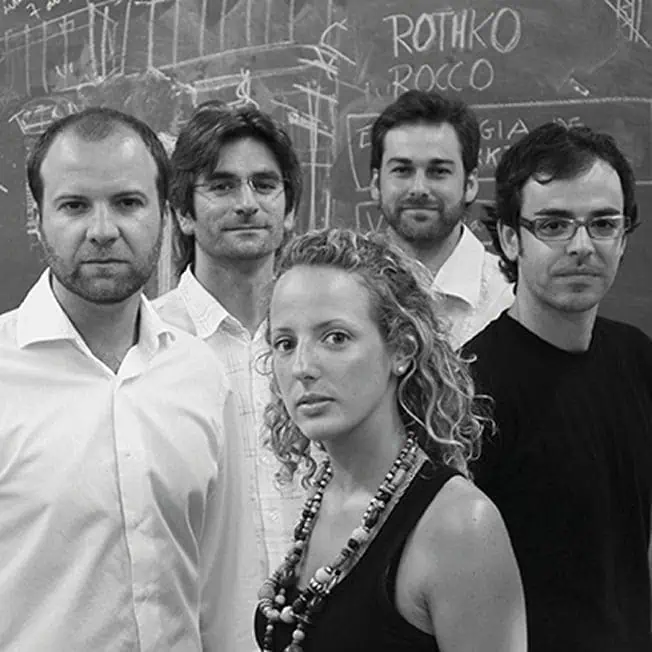
CuldeSac, based in Valencia, Spain is so much more than a collective design studio. CuldeSac was set up in August 2002 as a “creative space”, CuldeSac is an open, dynamic space, where creatives from different fields (electronics, furniture, lighting, painting, hairdressing) meet and join forces to develop shared projects under one common denominator: multidiscipline. The strength of the studio comes from the four core members—Francisco Pons, Alberto Martinez, Pepe Garcia and Pilar Roger—and other creatives from various disciplines coming from Spain and the rest of the world who join the team in meeting specific needs and demands of each individual project. As an exciting and free laboratory, CuldeSac does project development, research and observation by meeting precious and creative professionals in all spheres. To make it even easier for outside professionals to join the team, CuldeSac has a small apartment attached to its workspace. By offering the conditions for coexistence beyond the purely professional, and using the potential of the human dimension, CuldeSac guarantees a truly unique experience. Work of its innovative, multidisciplinary design group ranges from graphic design to product design and anything in between. Their current projects include the Lladrós Re-Ciclos project, BonEstile’s Welcome chair, and the Whisper chair for Bernhardt Design. In 2005, CuldeSac’s labyrinthine booth design for Lladró won the Valencia International Furniture Fair award for Best Interior Design.
Graduated from the Industrial Design Department of Middle East Technical University in 1988, Yalım completed her Master’s Degree in interior design at the Pratt Technology Institute in New York in 1992. Since 2004, Ece Yalım teaches “Colors in Industrial Design” at the Middle East Technical University. Yalım designed the leaflet/brochure stands of Pentagram New York, Citibank and Clarks of England, and worked as an interior designer at 'Naomi Leff and Associates Interior Design' New York, between 1991 and 1994. During this time, some of her projects included Steven Spielberg’s summer homes in Malibu and Hamptons, Tom Cruise’s home in Colorado, and Armani AIX Stores at Santa Monica, Miami, Michigan, Los Angeles and New Jersey. Ece Yalım cofounded Artful Interior Design in 1996 with Oğuz Yalım and Ece Yalım Design Studio in 2004. Ece and Oğuz Yalım work in venue and product design and apart from their own brand they design home, office furniture, lighting and accessories for AHK Interiors, Arlight, Ar-Yıldız, Atlas Halı (carpet), Kale, GW Global Warehouse, Nurus, Moonlight, Paşabahçe Mağazaları (Stores) and Rapido.
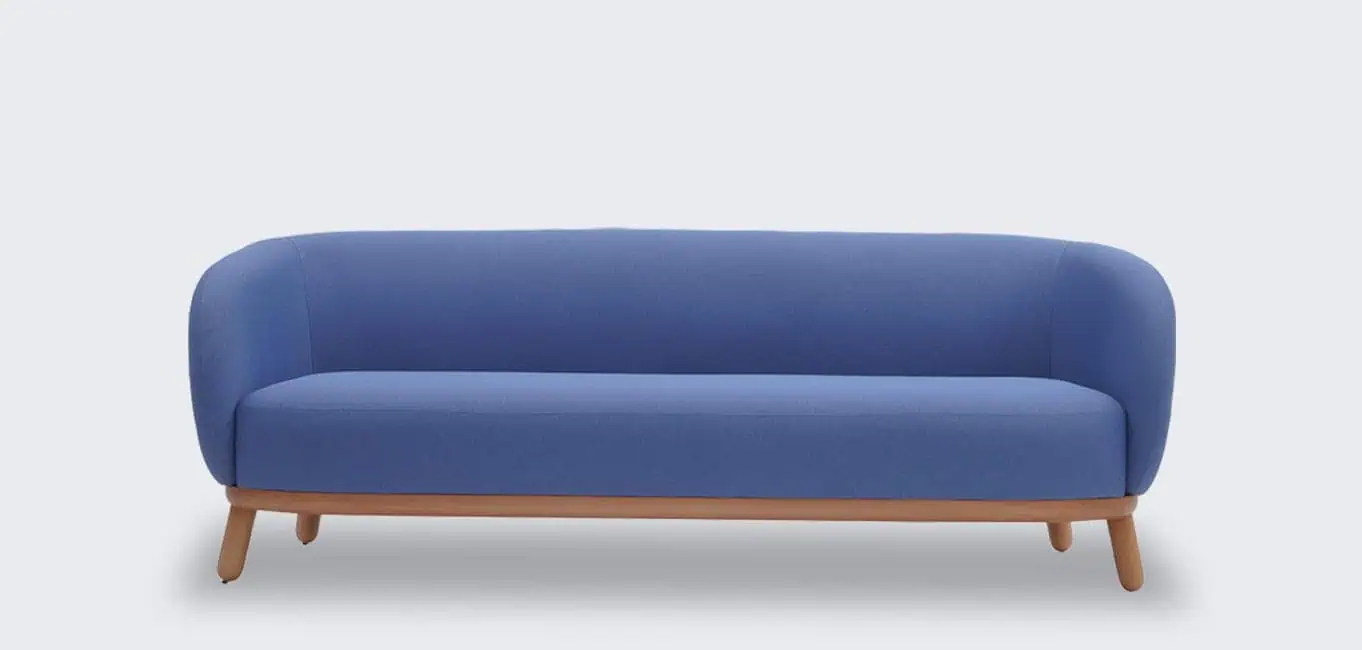
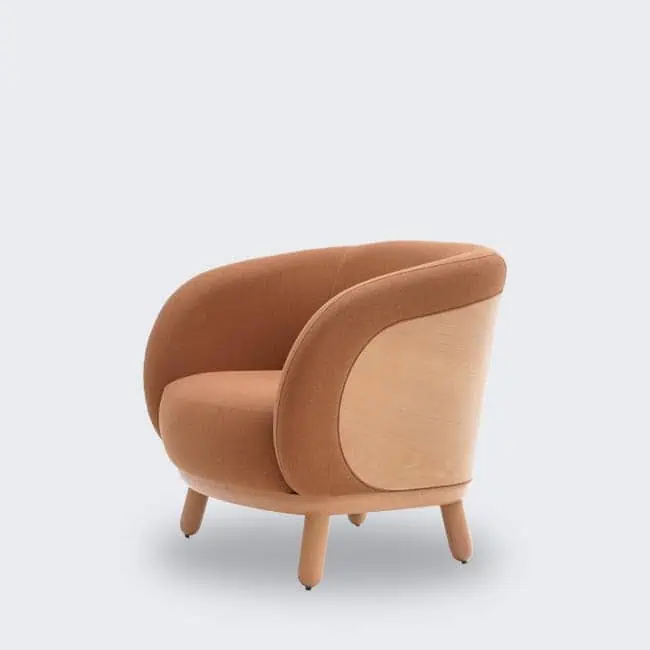
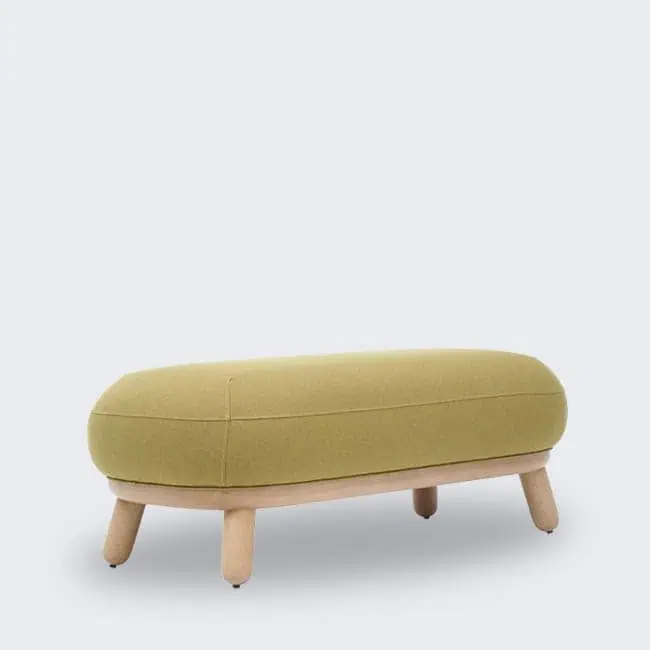
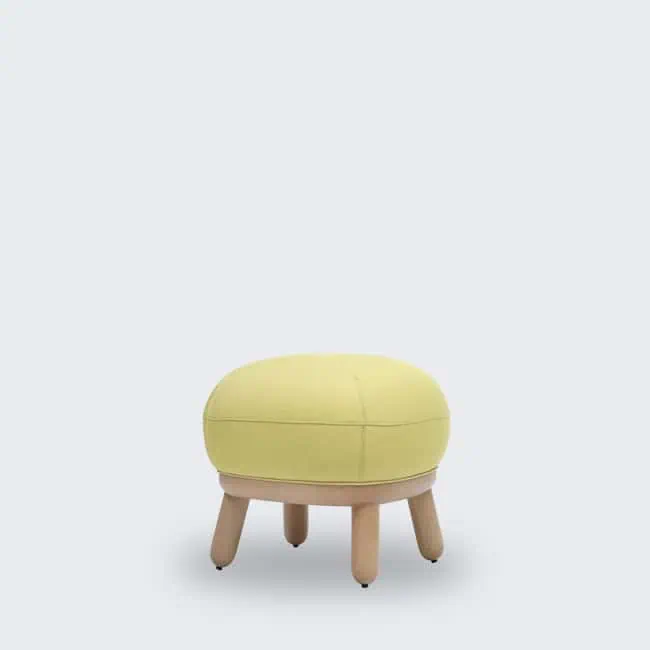
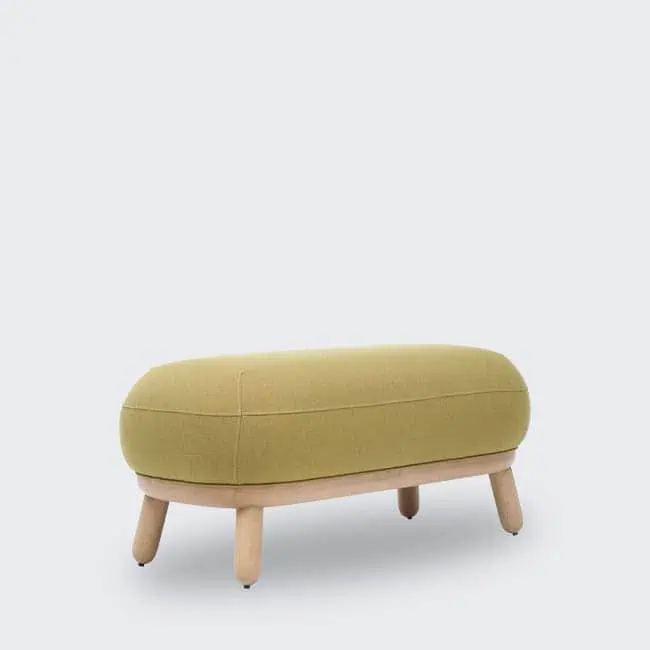
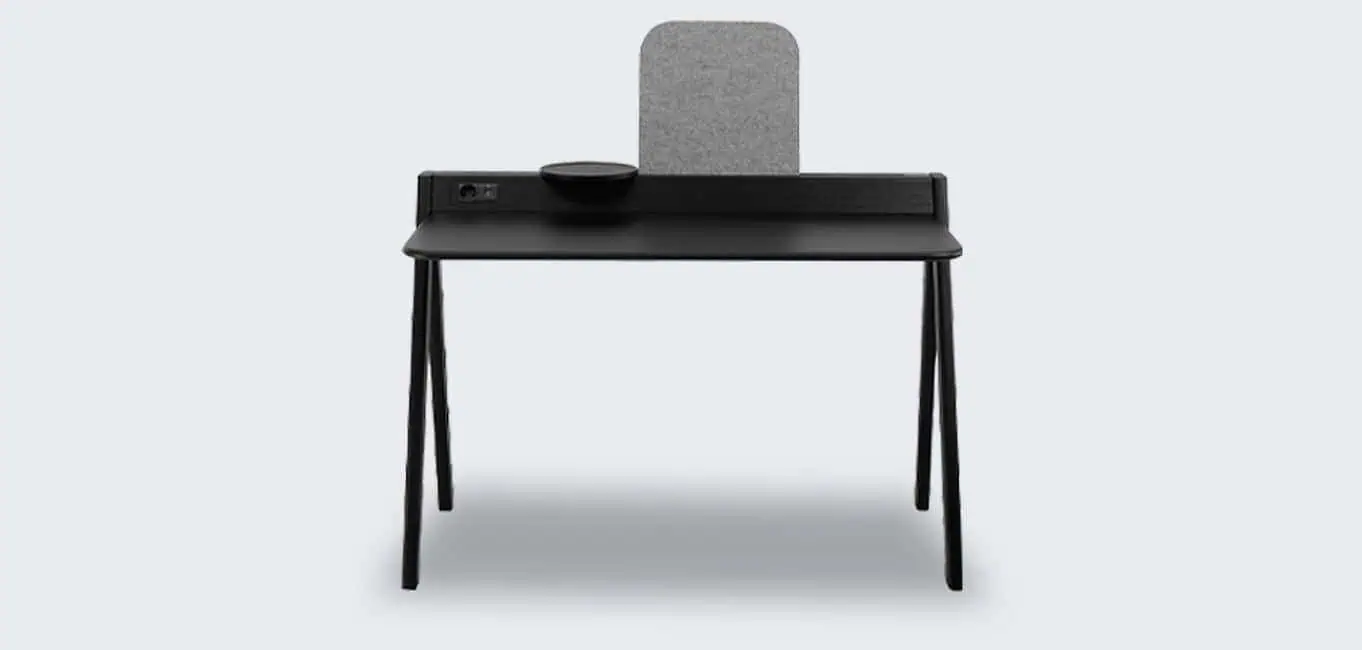
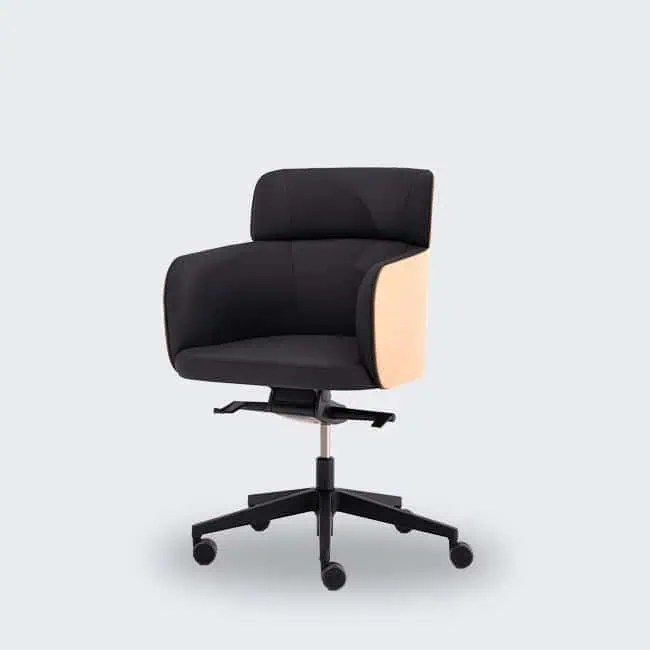
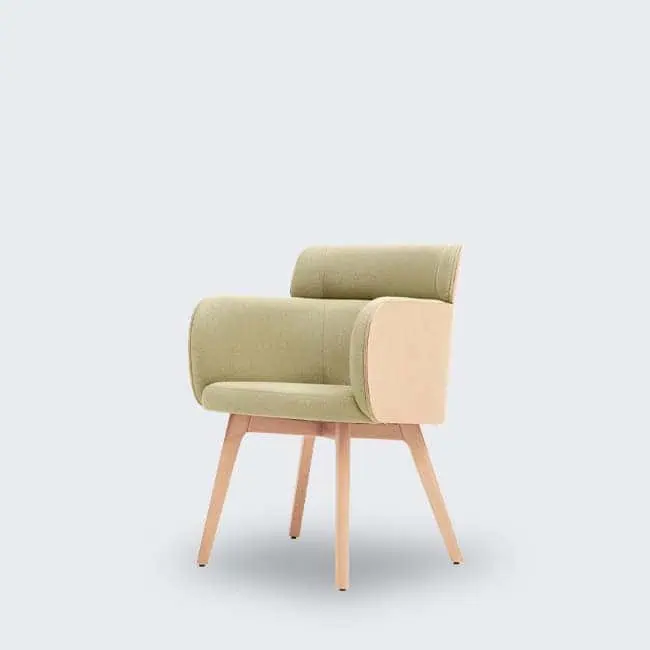
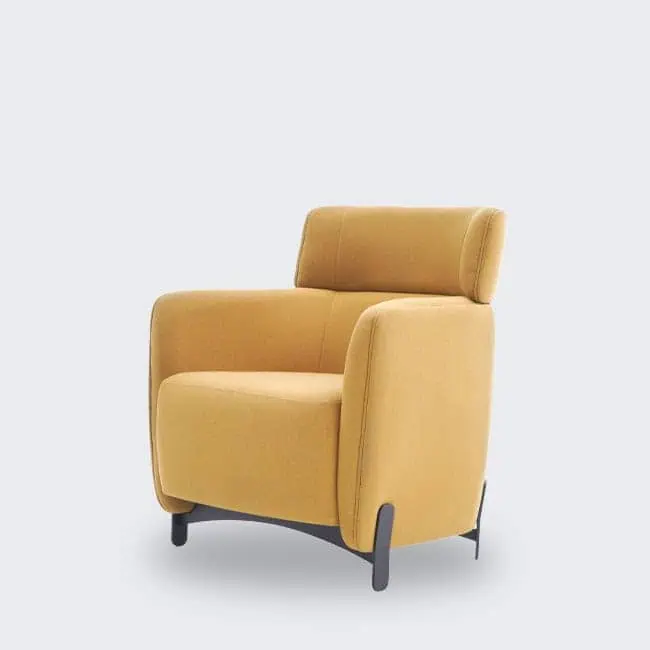
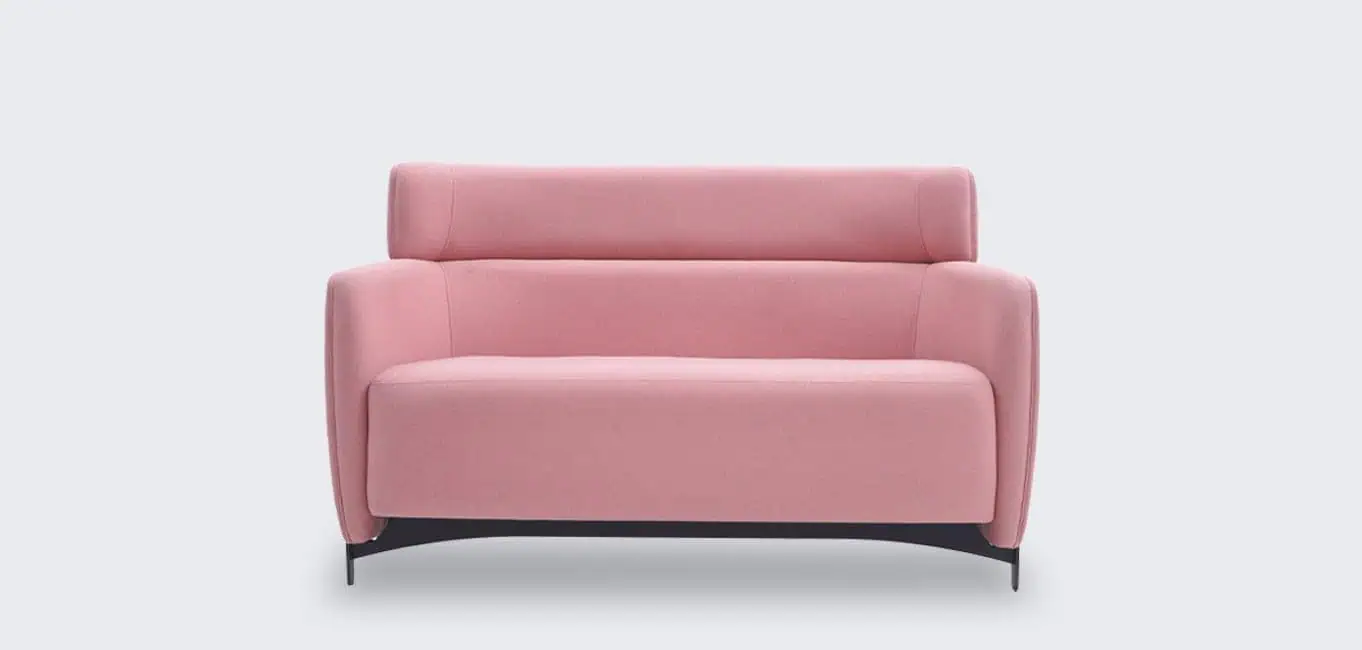
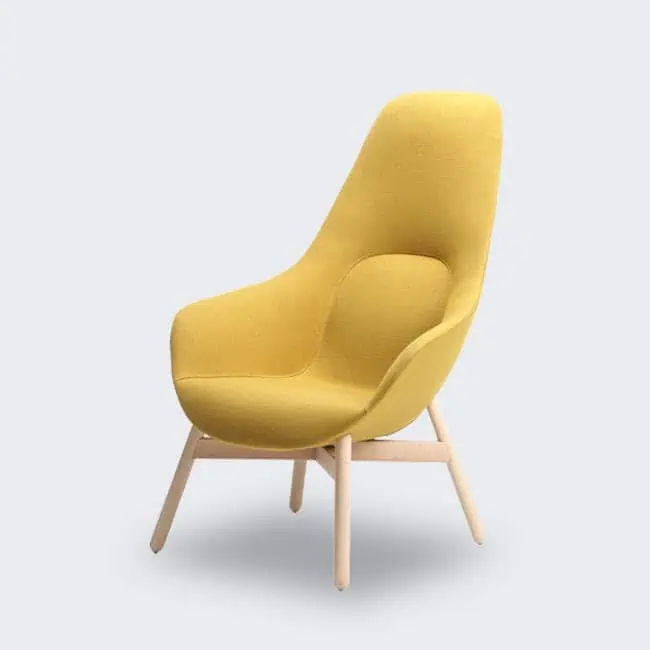
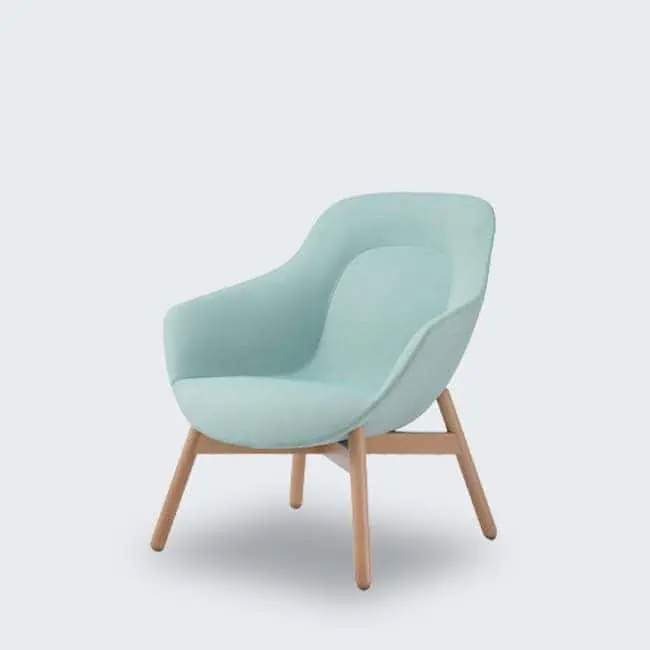
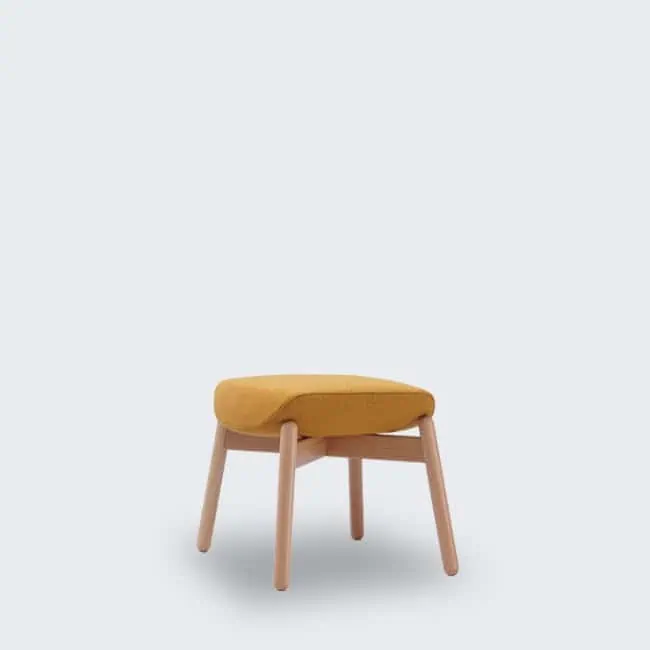
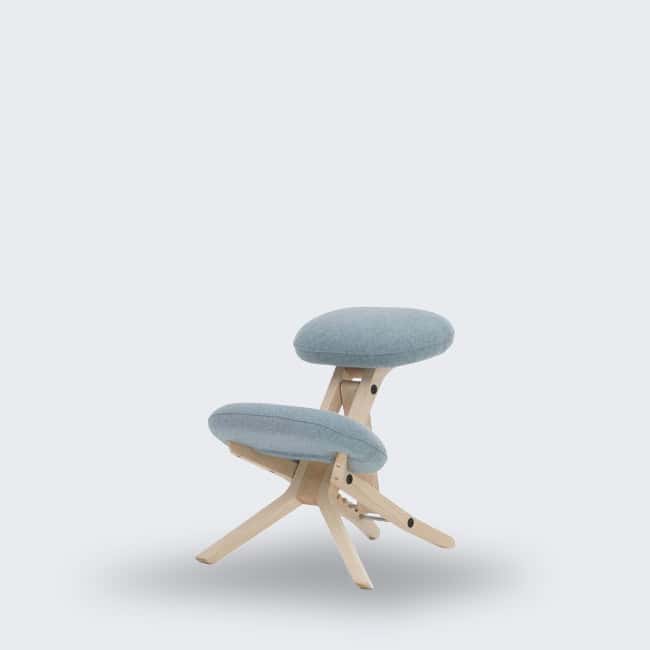

Born in Padova in 1950, Paolo Favaretto graduated from the Architecture Department of Venice University. After his graduation, Favaretto established his own design office, now Favaretto & Partners, in 1973. Favaretto has gained major international experience and won many awards in industrial design and counseling, working with the world’s leading companies. The former head of committee for A.D.I. (Associazione per il Disegno Industriale/Association for Industrial Design) Northeast delegation and Trentino Altı Adige, Favaretto is the founder and chairman of I.I.D.D. (Istituto Italiano Design Disabilità/Italian Institute for Design and Disabilities) now known as DFA (Design for All). Favaretto currently represents ADI at BEDA (Bureau of European Design Associations) and he is a member of the board of the European scientific committee of the IDIA (Inclusive Design and Intelligent Technology for Accessible Workplaces) project. Favaretto gives industrial design lessons in many universities and establishments including Industrial Design at the Milan Polytechnic, IUAV University of Venice and the Italian School of Design in Padova, the National College of Art and Design of Dublin, the University Consortium for Company Organization Studies (CUOA) in Vicenza. Favaretto’s works have been published in numerous Italian and international design books, on web sites and business magazines. In the beginning of 2007, Favaretto’s works have been published as a monograph by Il Poligrafo, as “Paolo Favaretto, Industrial Designer”. Since 1983, Favaretto & Partners Designs received many national and international awards including Interior Innovation Award, Good Design Award, Young & Design Award, The Middle East Office Award, Red Dot Design Award, Grandesign Etico International Award, Compasso d’Oro, Design Index ADI and Tan Expo.
Anette Ponholzer Anette Ponholzer is a graduate of Muthesius Academy of Fine Arts and Design, the department of Industrial Engineering. Ponholzer, who started working independently in 1999, has been one of the managing partners of F/P Design since 2000. Fritz Frenkler Fritz Frenkler is a graduate of Academy of Fine Arts Braunschweig, the department of Industrial Design. Beside his duty as a design advisor in F/P Design, he has taken part at different organizations and juries. He is a professor at Munich Technical University, the department of Industrial Design since 2006.
Giancarlo Bisaglia is an industrial designer born and based in Padua, Italy. A graduate of the Padua Art Institute, he founded the Global Design studio in 1993. Since then, he has designed a wide range of products — from office furniture and desk systems to home accessories — for various international brands. Known especially for having created over 150 chair designs, Bisaglia has received multiple international awards for his work. He has also designed exhibition and trade show stands and has taught industrial design in Padua. Among his collaborations is the “Beetle” series he designed for Nurus.
Koral Erat graduated from the Interior Design studies at Marmara University. He worked in various architecture companies in interior and product design and founded his own office KM34 Mimarlık (KM34 Architecture) in 2009. The young designer creates innovative designs to turn user needs, production capacity of manufacturing firms and the flexibility of material to an advantage.
Martin Ballendat was born in Bochum in 1958. Known for his timeless, elegant, and minimalist designs, Ballendat has been a significant force in the fields of interior and industrial design for over 25 years. He graduated from the Industrial Design program at Folkwang University in Essen in 1983 and worked as a designer at Sedus Company from 1983 to 1986. In 1995, Ballendat became the head of the design and product development department at Wiesner Hager Company in Austria, and in the same year, he founded Design Ballendat, which operates in Germany and Austria. Today, Ballendat is internationally recognized for his remarkable designs and has received numerous international awards for his products. For over 15 years, Ballendat has been teaching as a guest lecturer in Graz and Salzburg.
Massimo Costaglia is an experienced industrial designer and inventor from Padua, Italy. After graduating from the Industrial Technical Institute, he gained valuable experience working with major Italian furniture manufacturers before founding. His studio, composed of engineers and designers specializing in office furniture, delivers the entire design process—from initial sketch to prototyping—in-house using advanced 3D modeling, finite element analysis (FEA), and rapid prototyping technologies. Known for his innovation and numerous patents, Costaglia focuses on functional yet visually appealing products and collaborates with brands in Europe, North America, and Asia. Since 2011, he has also partnered with RIM-CZ, contributing to the widely recognized. His work has earned important design distinctions, and many of his products are featured in prominent design showcases and publications.
Born in South France in 1974, Noé Duchaufour-Lawrance is a designer of objects and interior environments. Following in the footsteps of his father, -a sculptor-, his artistic interests developed at an early age. Growing up in this creative atmosphere, he had the opportunity to define his own language: using natural shapes with smooth and organic lines, which remain fluid and structured at the same time. After earning a degree in Metal Sculpture from the École Nationale Supérieure des Arts Appliqués et des Métiers d’Art, he studied furniture design at the renowned Les Arts Décoratifs. Fueled by his rich creative background, Duchaufour-Lawrance explored new boundaries and rapidly became involved in unusual projects that enabled him to define and create his own aesthetics and style. In 2002, he served as artistic director for the Sketch restaurant in Soho, London, and his bold design of the interiors soon made him into a sought-after designer. Having received worldwide acclaim for the Sketch project, Duchaufour-Lawrance established the creative studio Neonata, meaning “New Birth” in 2003. Functioning as a think tank and a research laboratory, Neonata’s team under Duchaufour-Lawrance’s direction “gives birth” to design and interior architectural projects that convey a sense of perfection down to the last detail. In 2005, in a dramatic makeover for the high-end gastronomic restaurant Senderens, also known as Lucas Carton, Duchaufour-Lawrance complemented and contrasted Majorelle’s historic wood-panels with luminous tables and engraved mirrors giving a contemporary twist of design to the Art Nouveau interiors. In 2007, Duchaufour-Lawrance received the prestigious Maison & Objets Créateur de l’Année award. The same year, he designed the new interiors of the Maya Bar in Monaco, rejuvenated the famous Maison Sénéquier in St Tropez, and in collaboration with Brand Image created the new visual and architectural identity of the Air France business class lounges. Designed by his inspiration from nature, his series of “Down Side Up” vases resemble round pebbles; his office ensemble “Landscape” created for Longchamp takes the form of a moving landscape; and his furniture for Ceccotti – including the iconic Manta Desk – appears as an elegant mix of intertwined curved lines and ramifications. His achievements also include international successes for his design of Rémanence, a candelabra designed for Baccarat; a perfume bottle in the shape of a gold bar for Paco Rabanne.
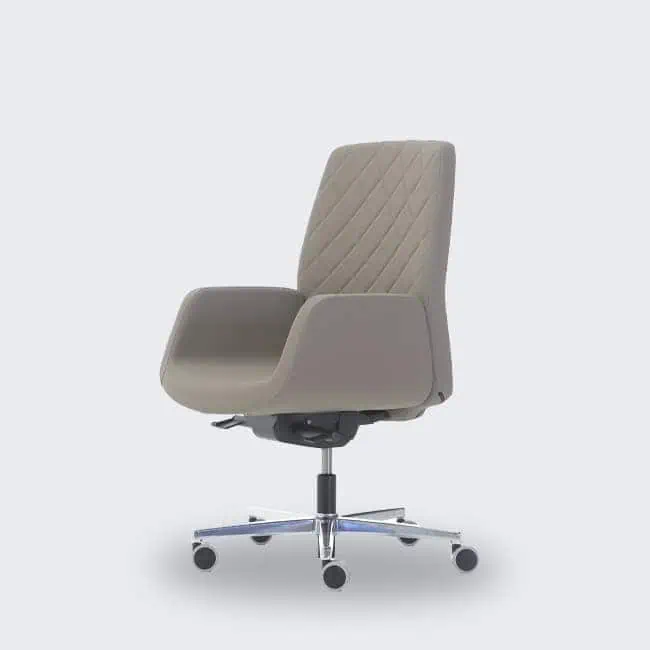
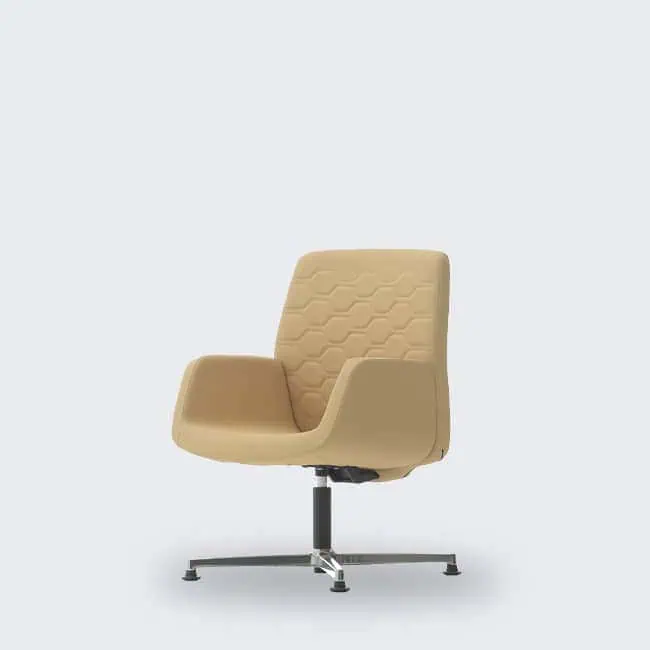
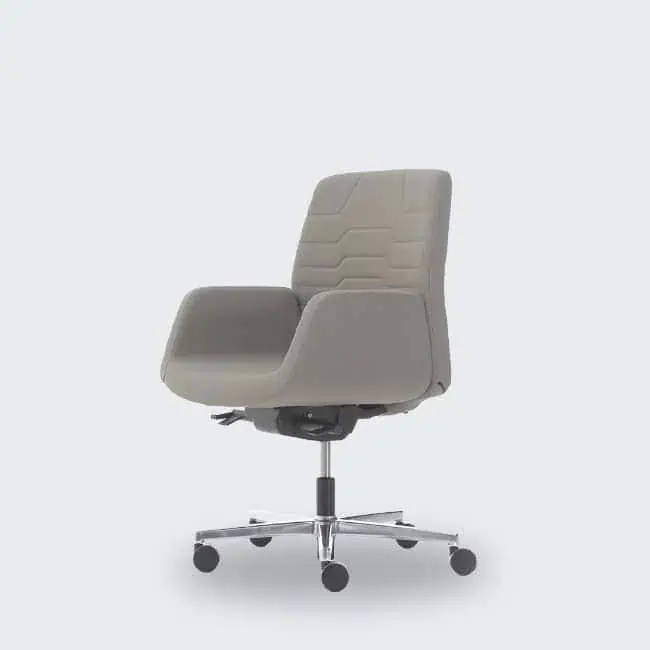
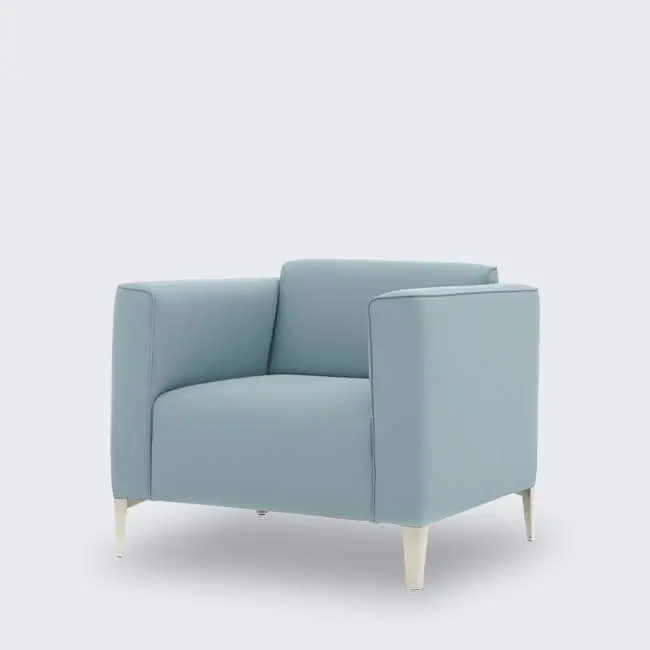
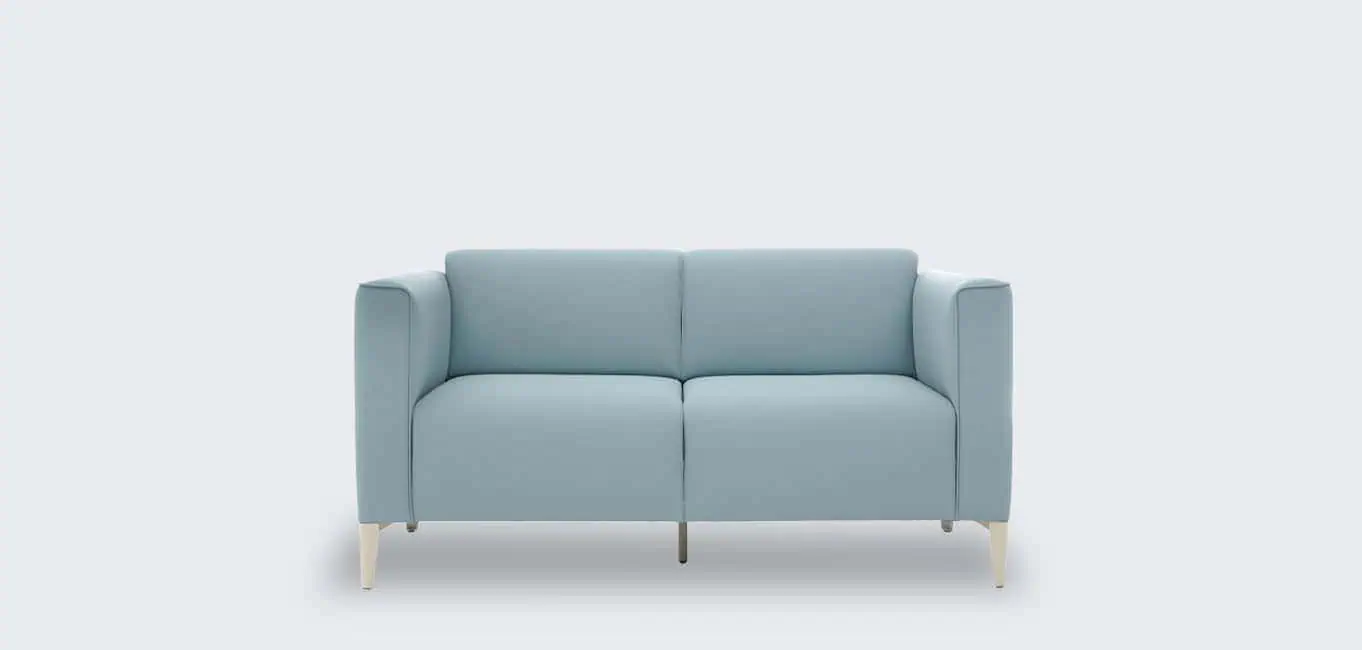
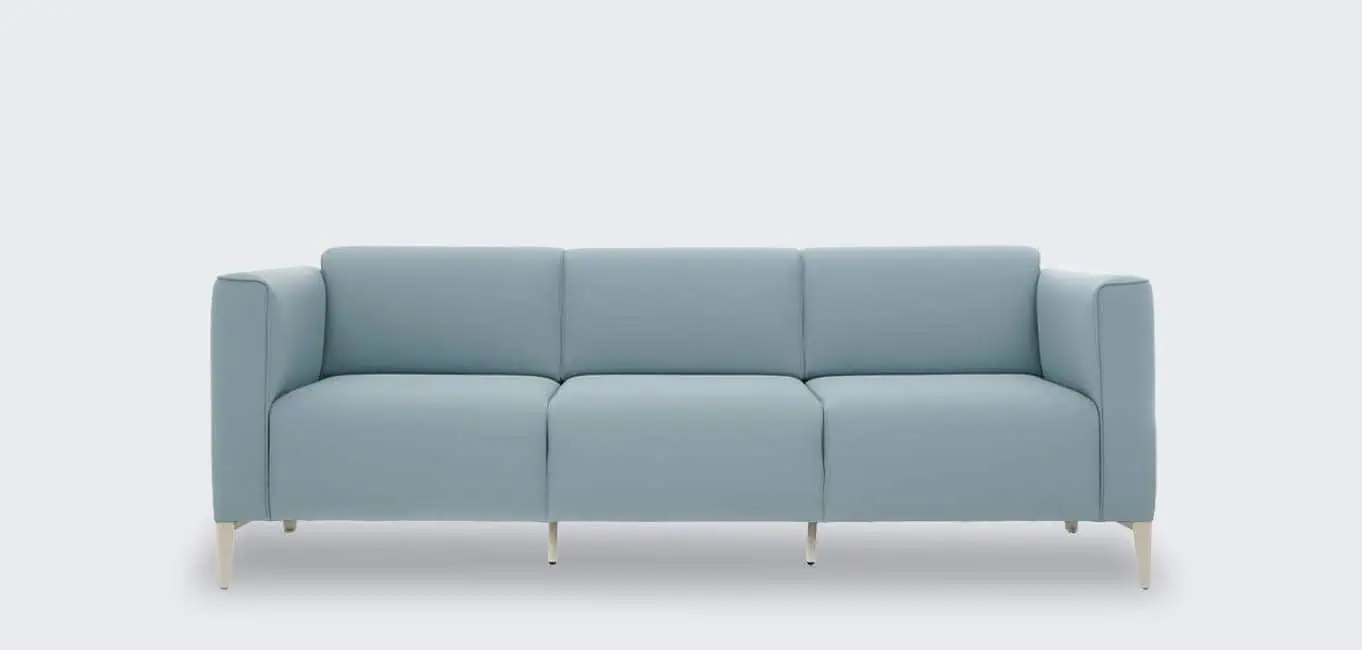
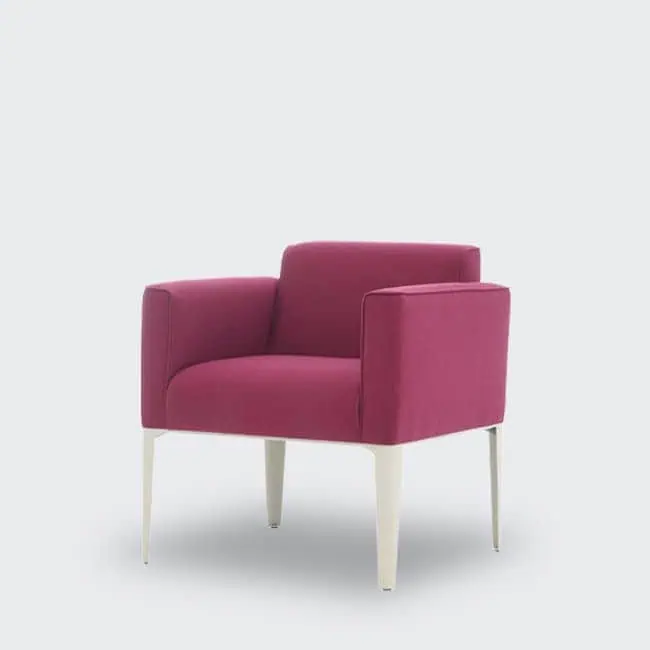
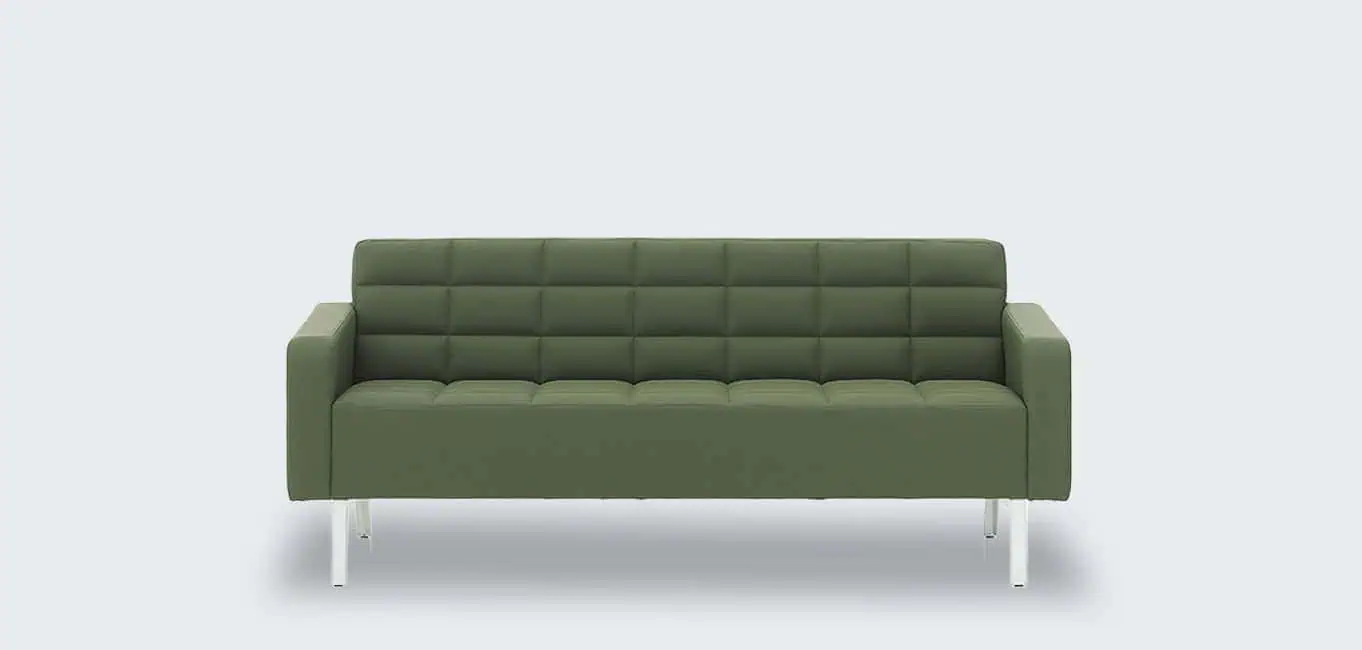
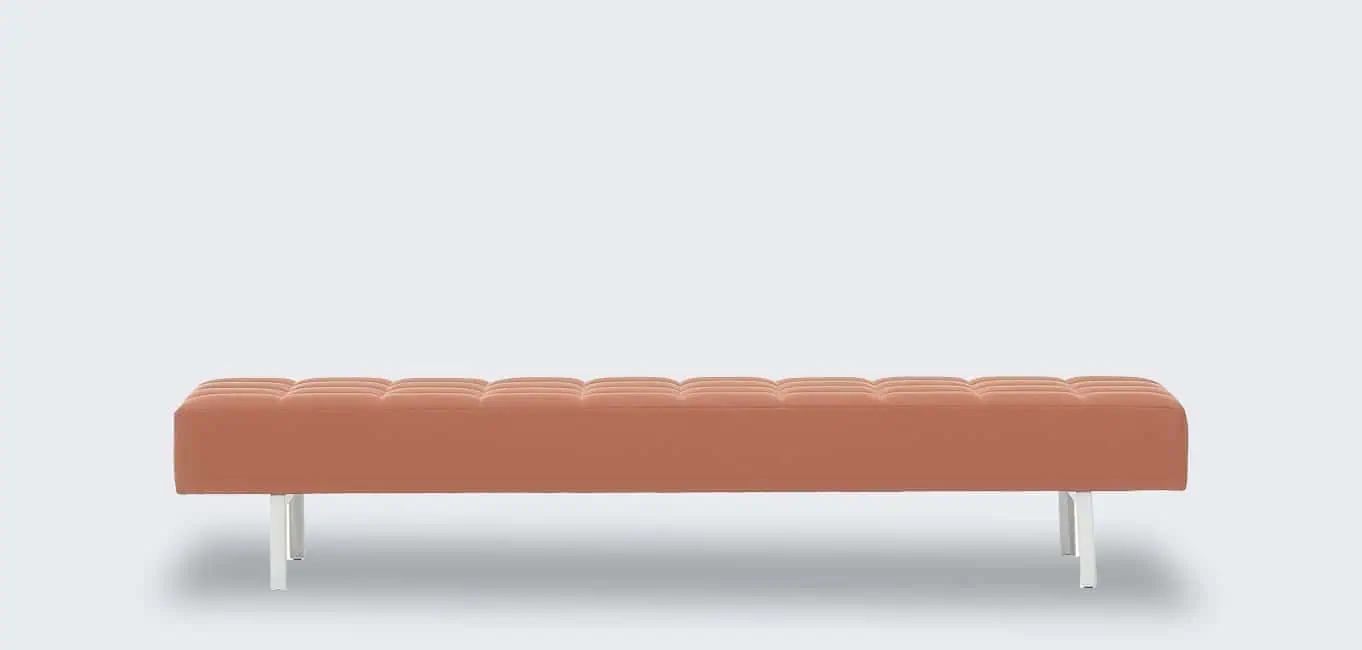
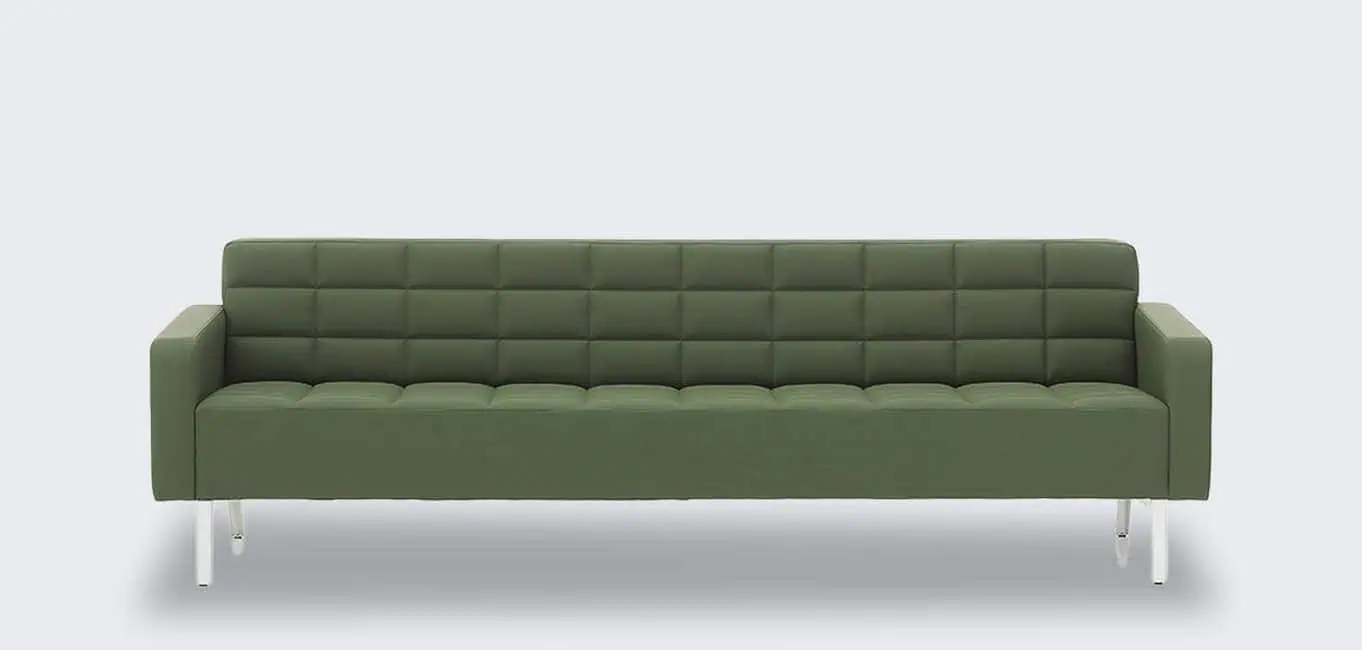
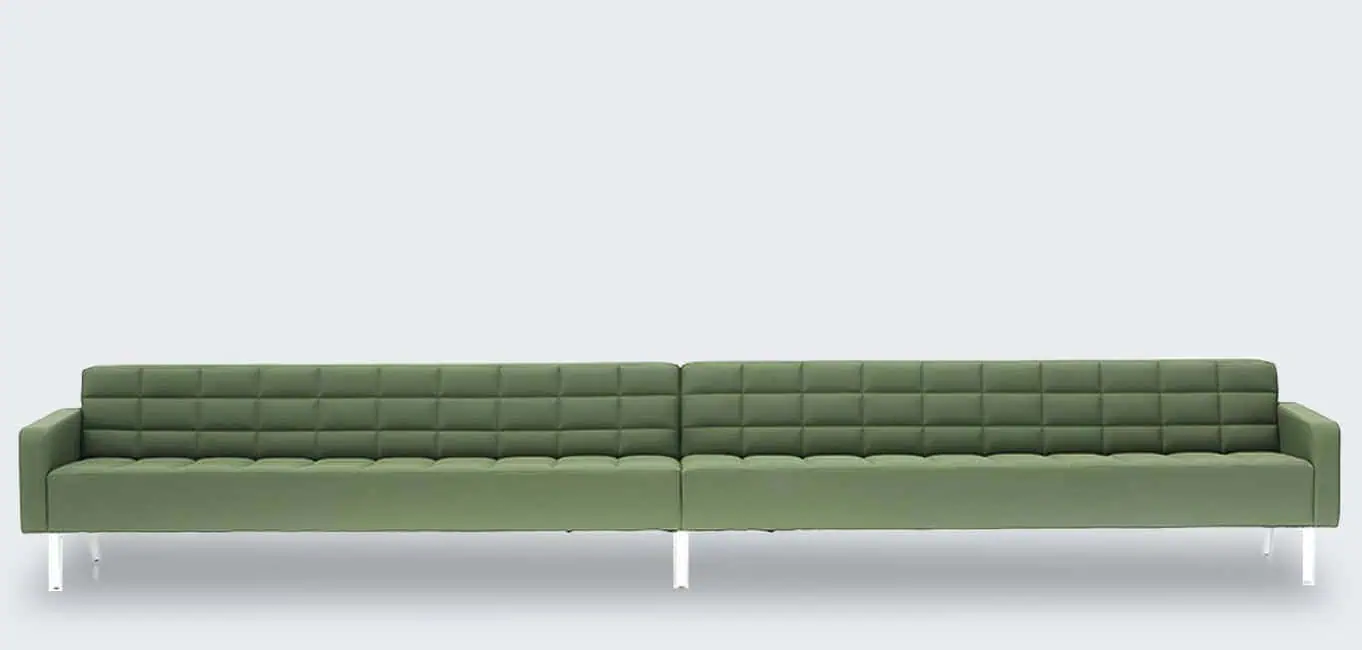
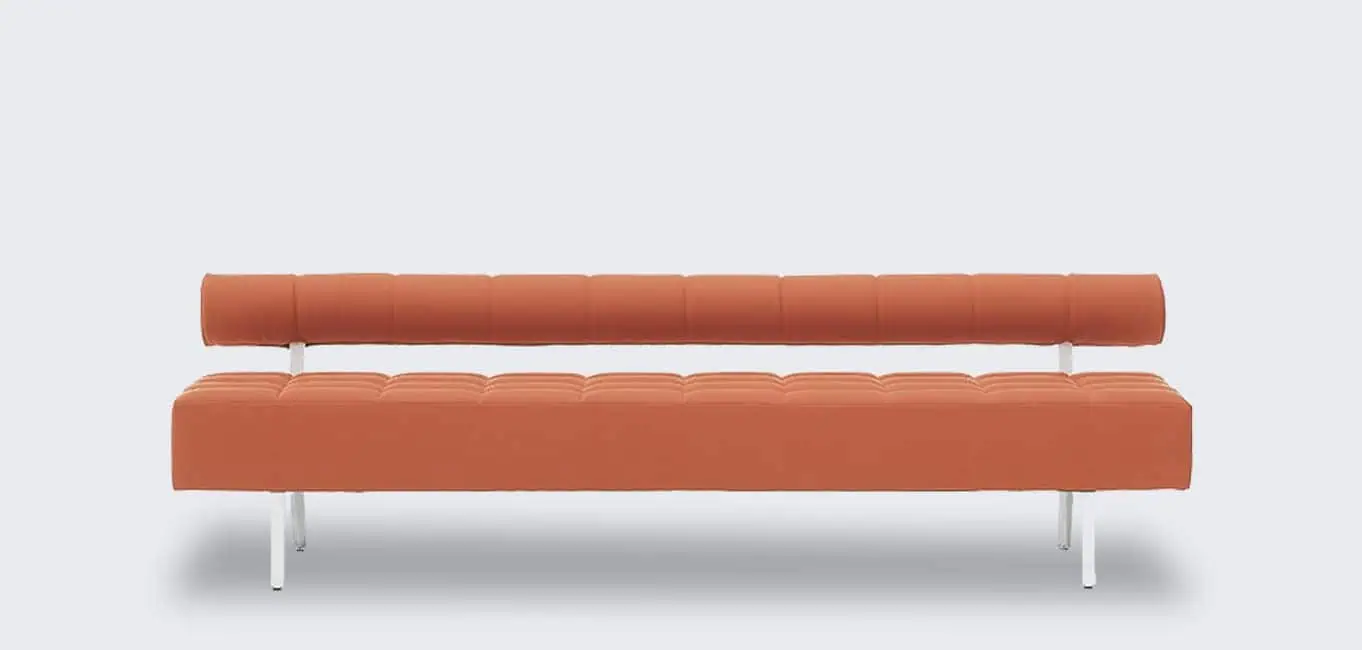
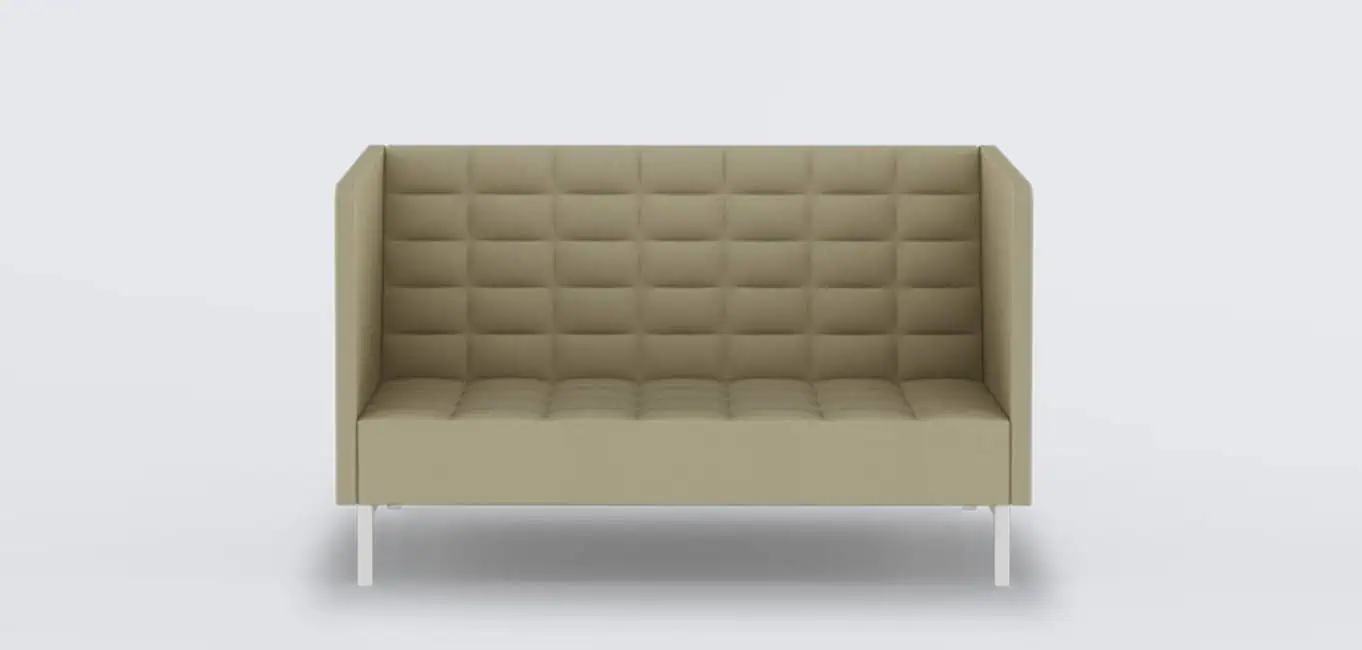
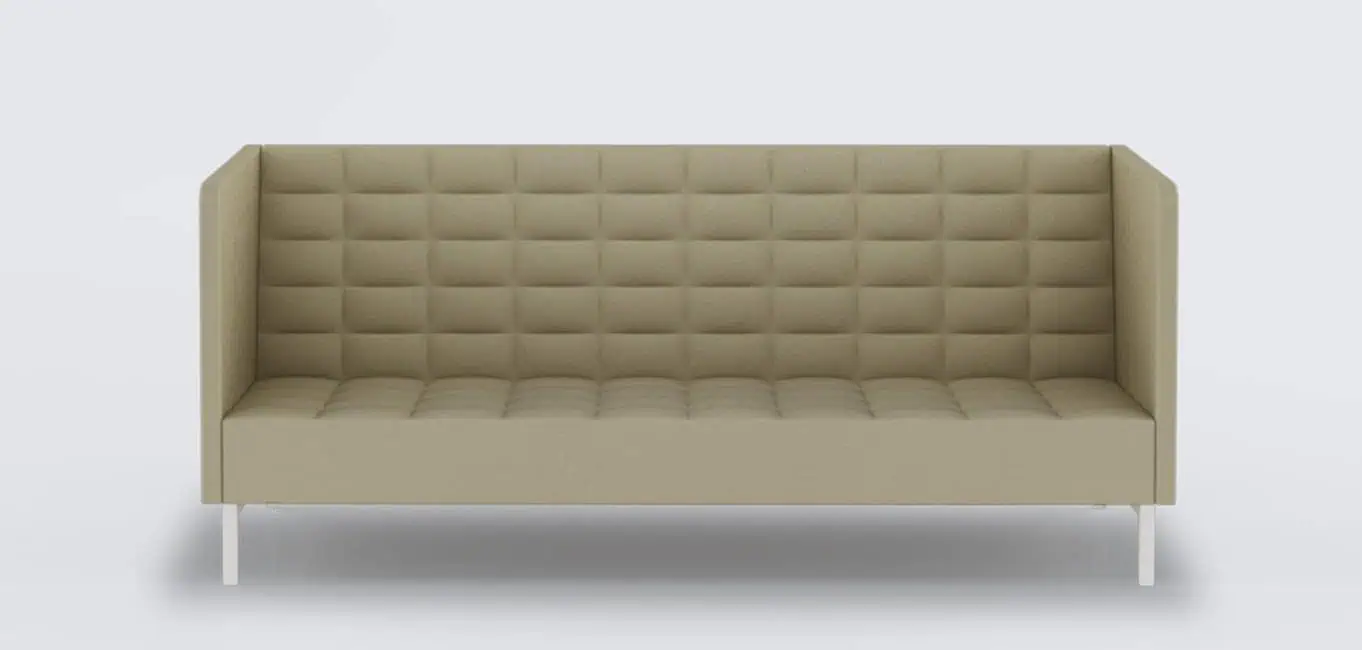
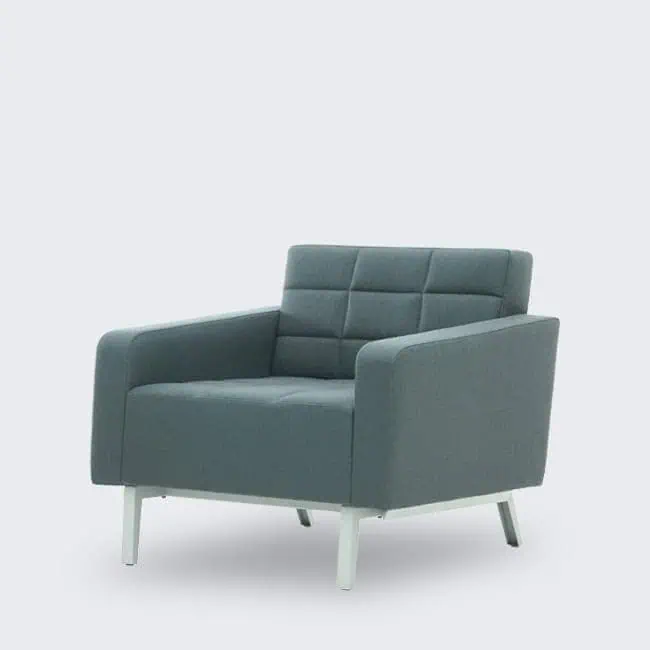
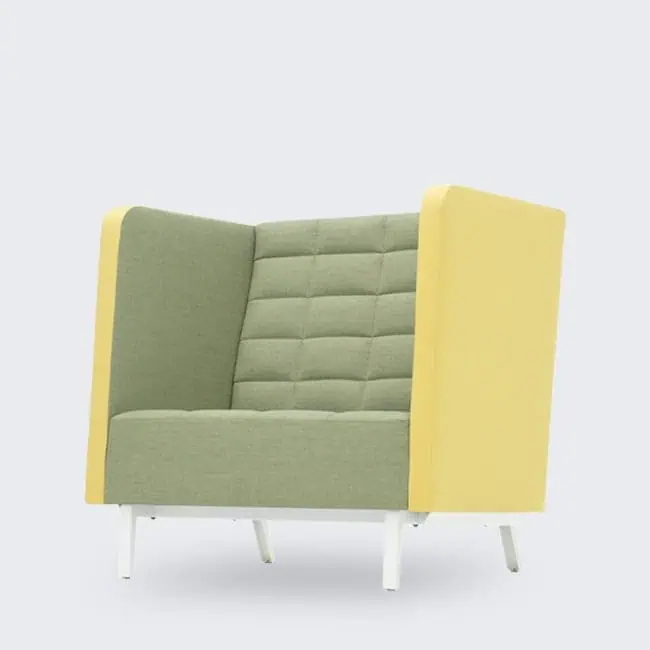
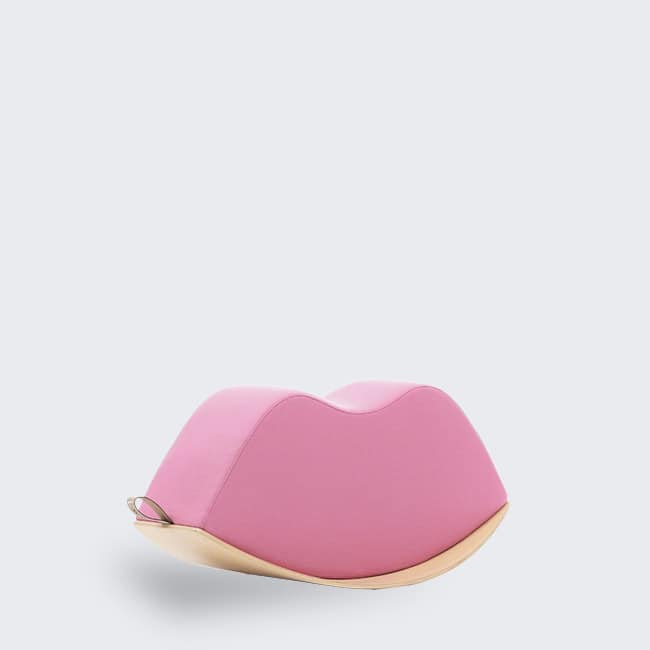
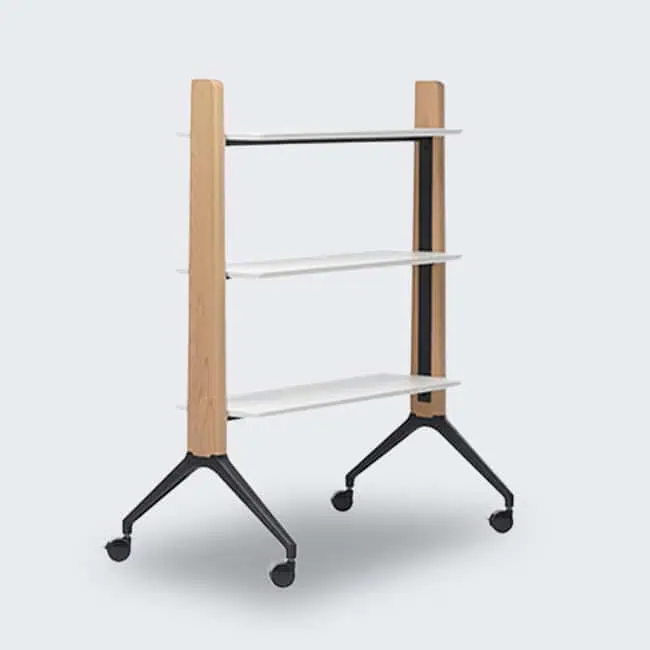
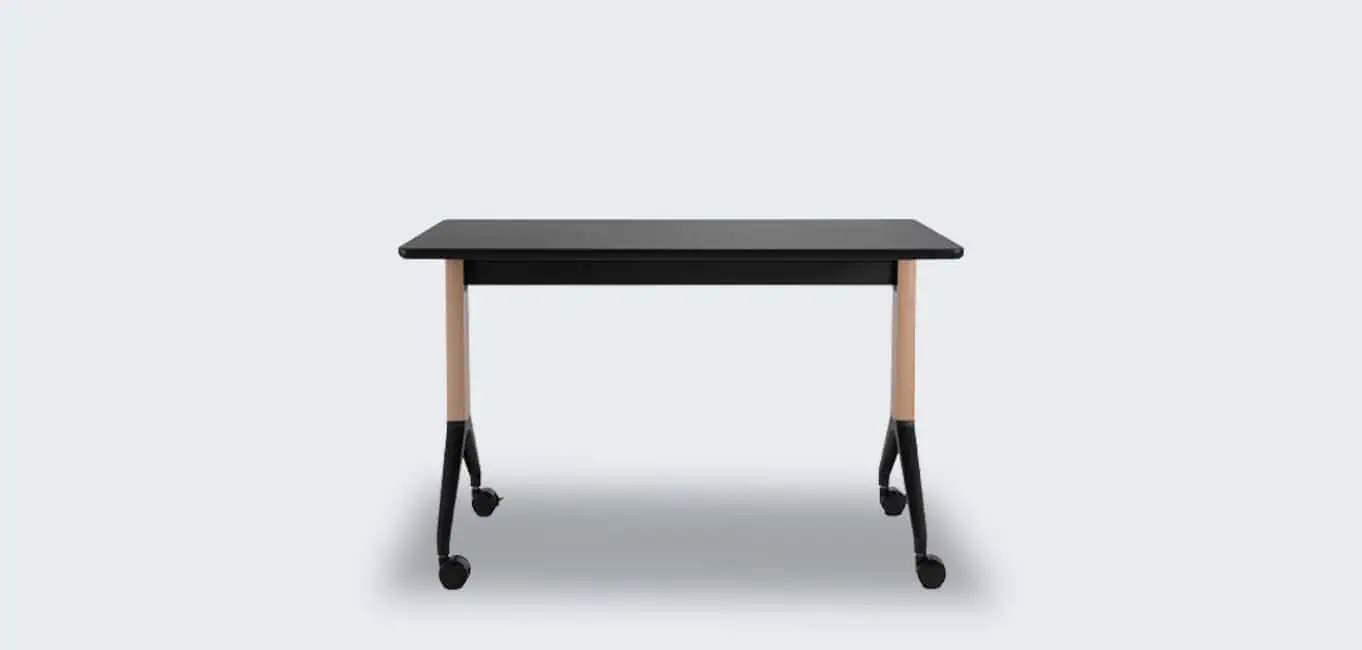
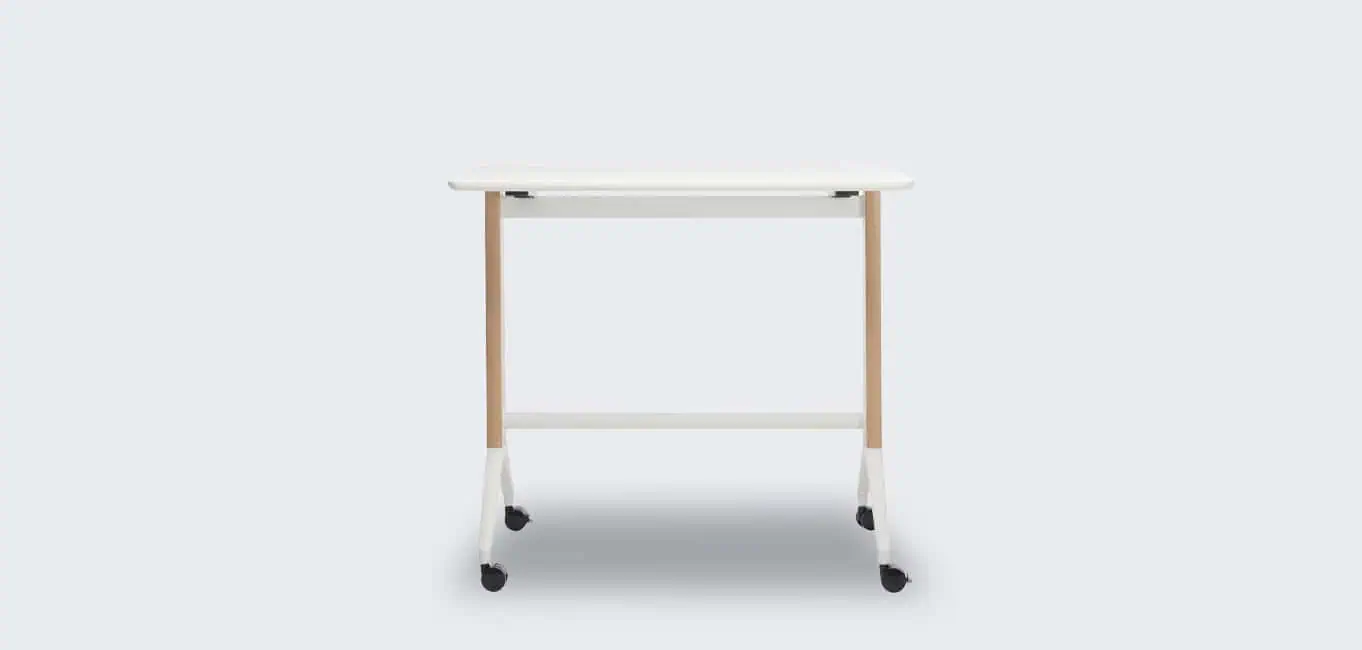
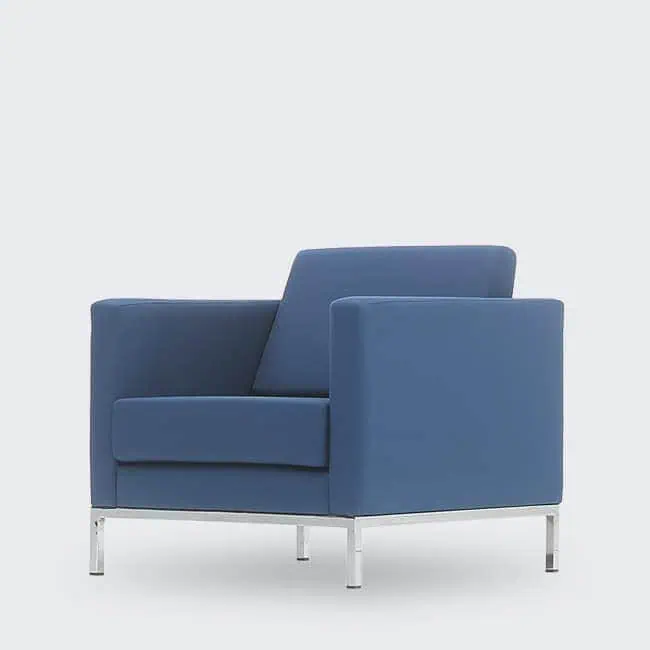
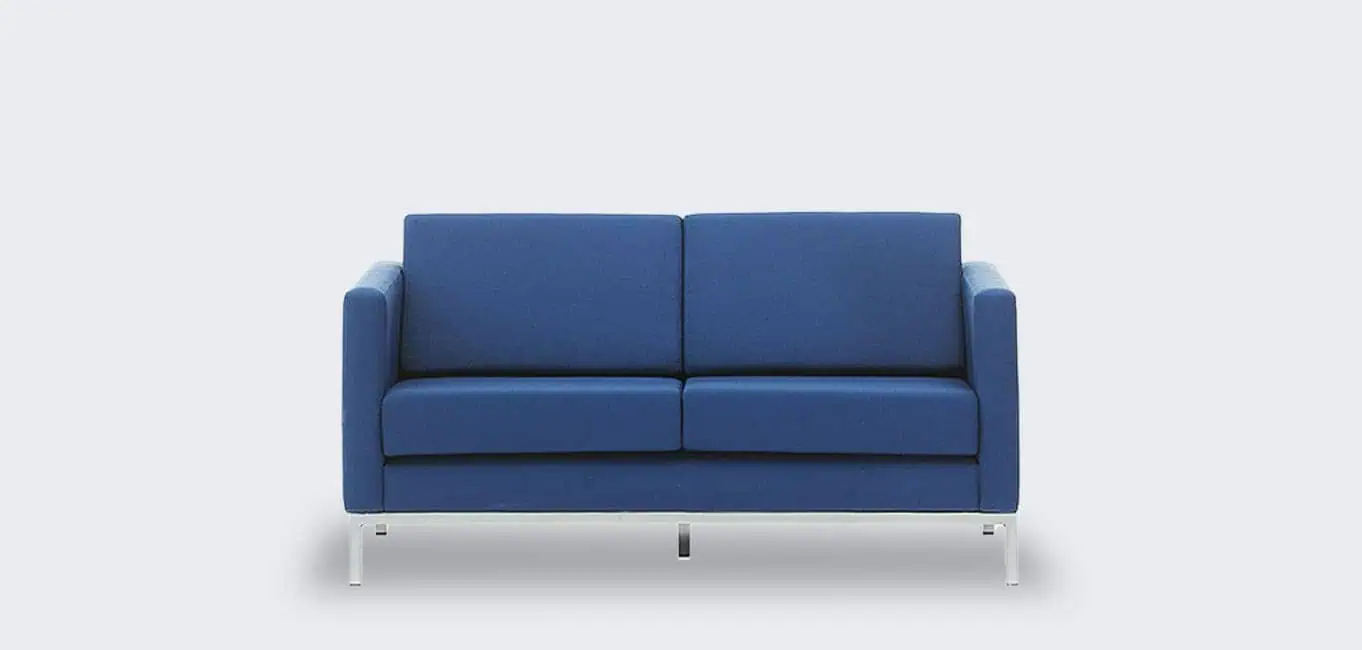
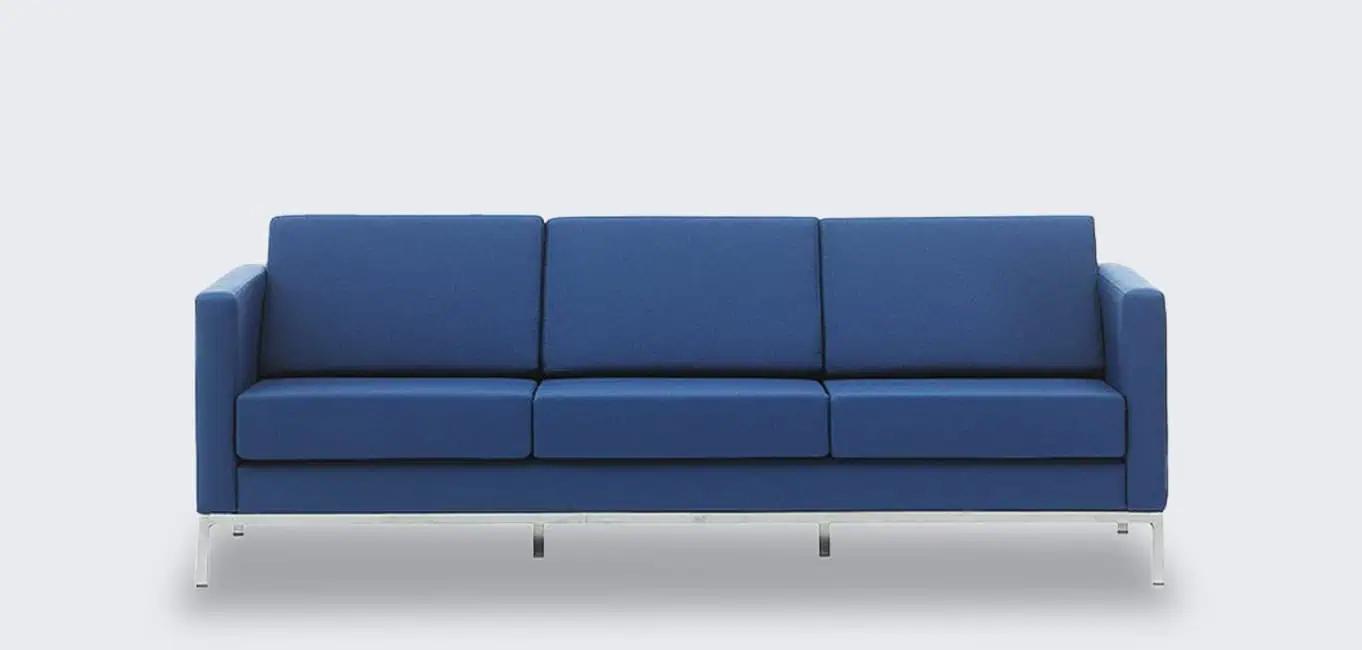
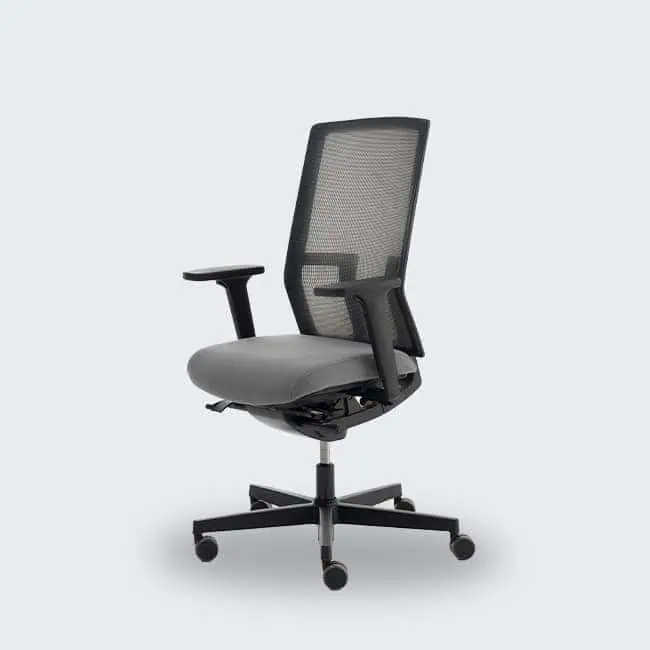
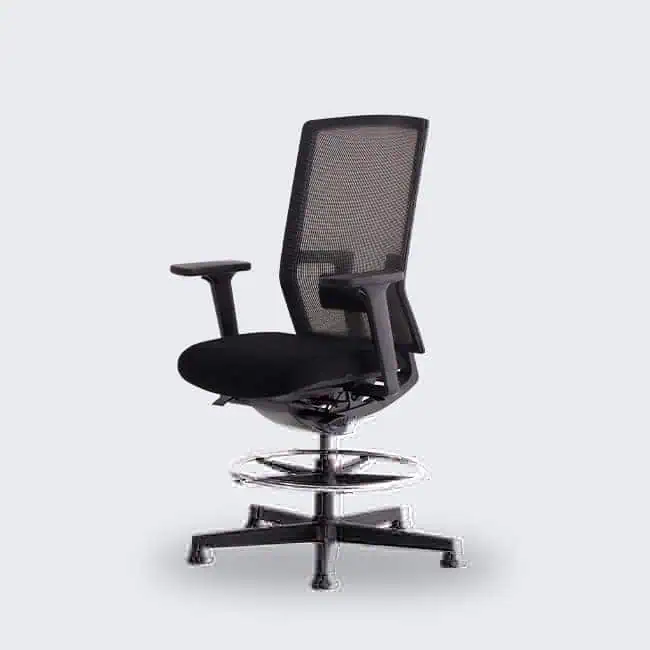
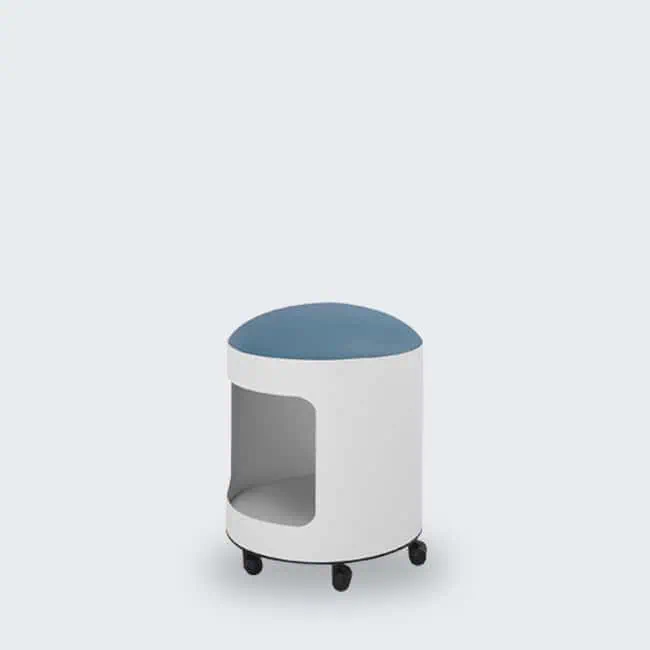
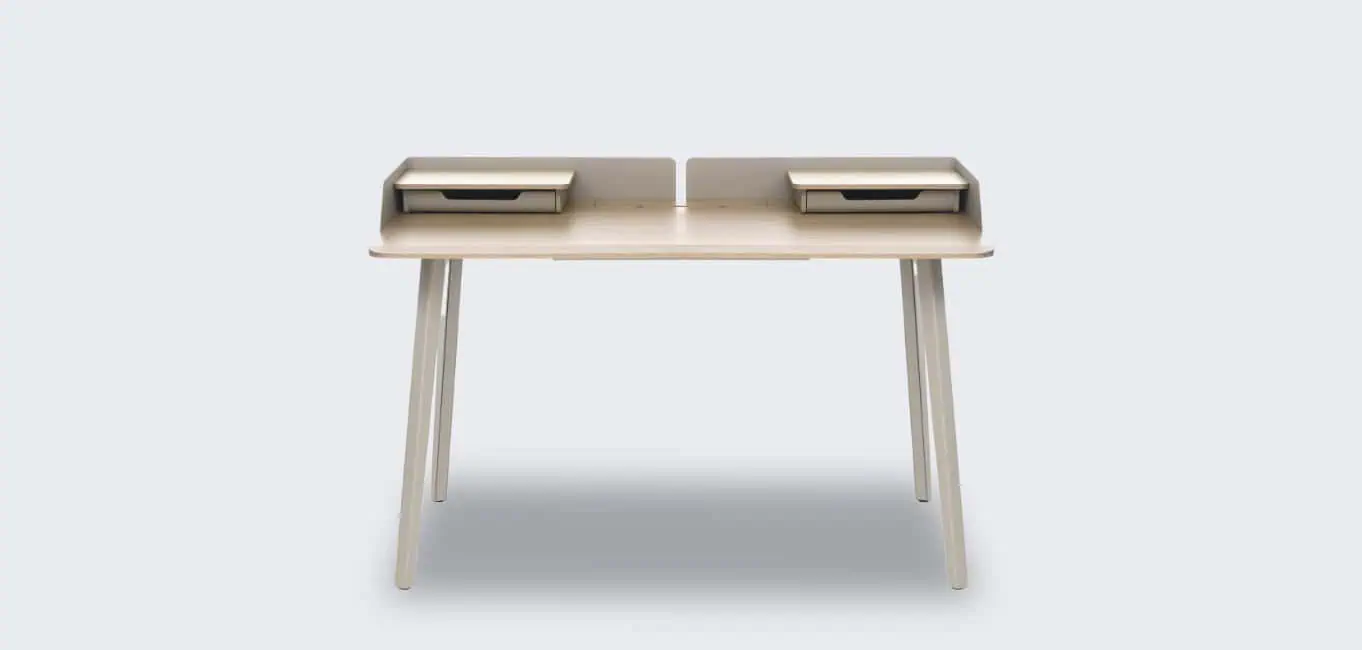
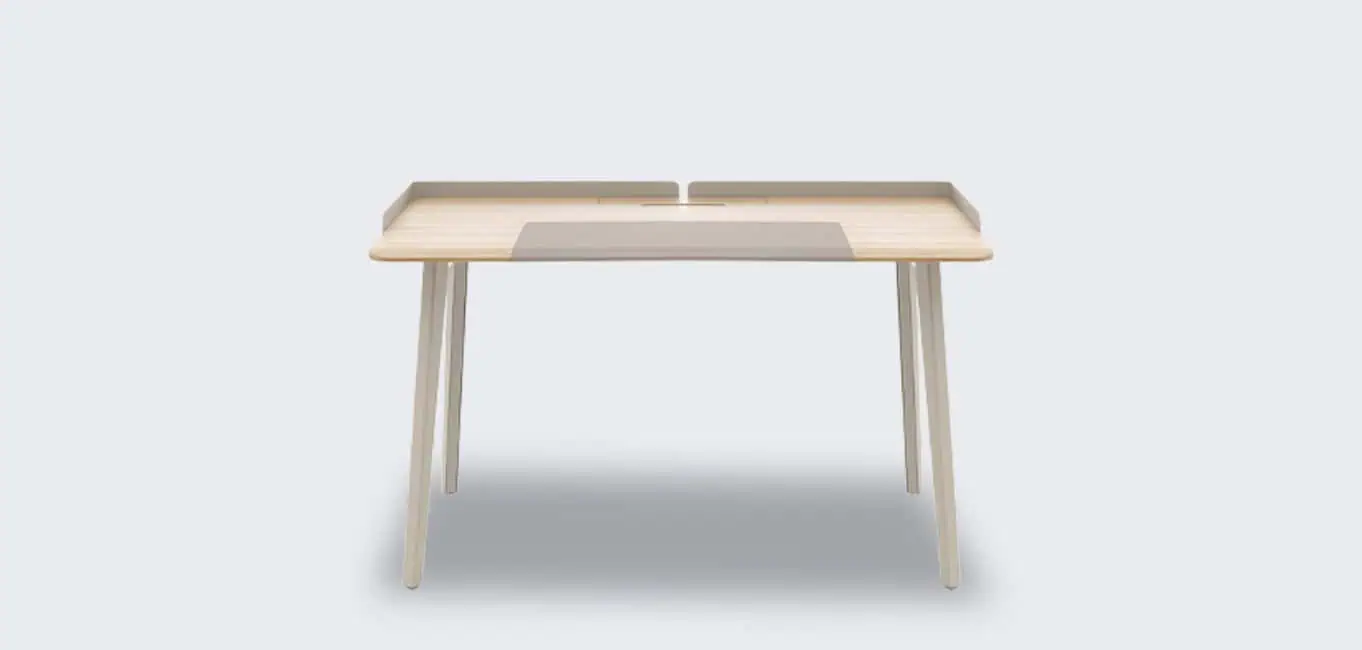
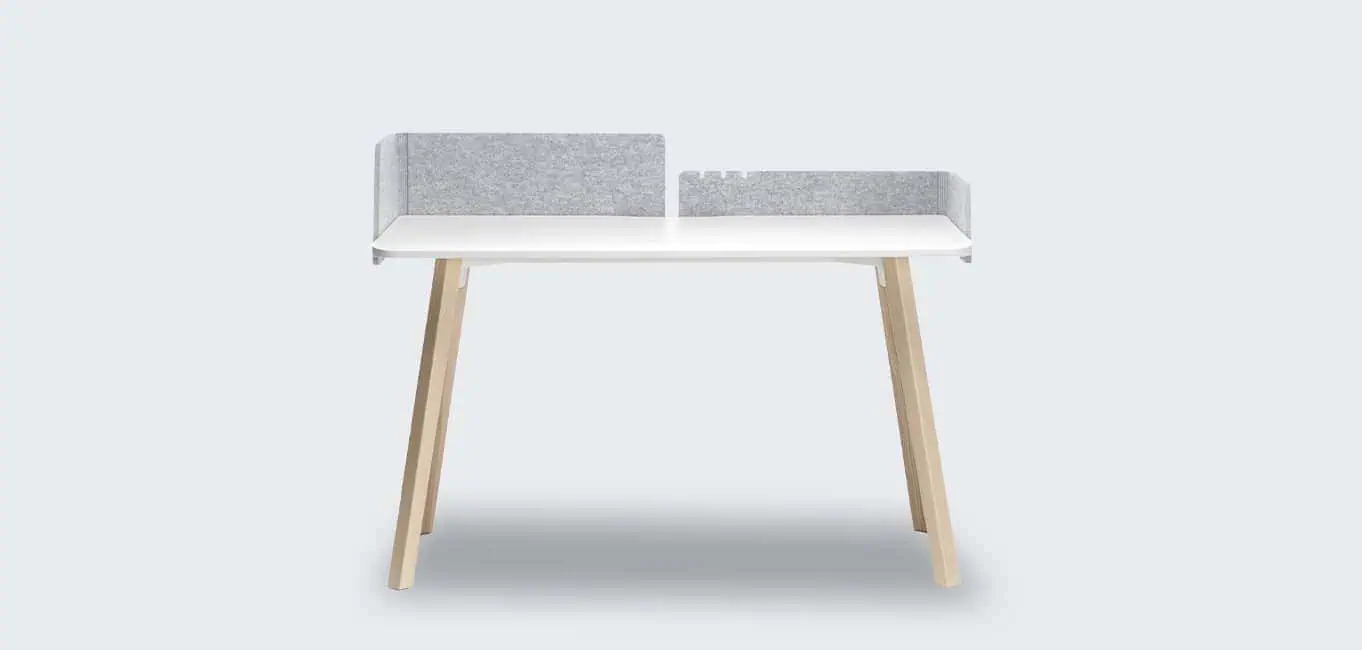
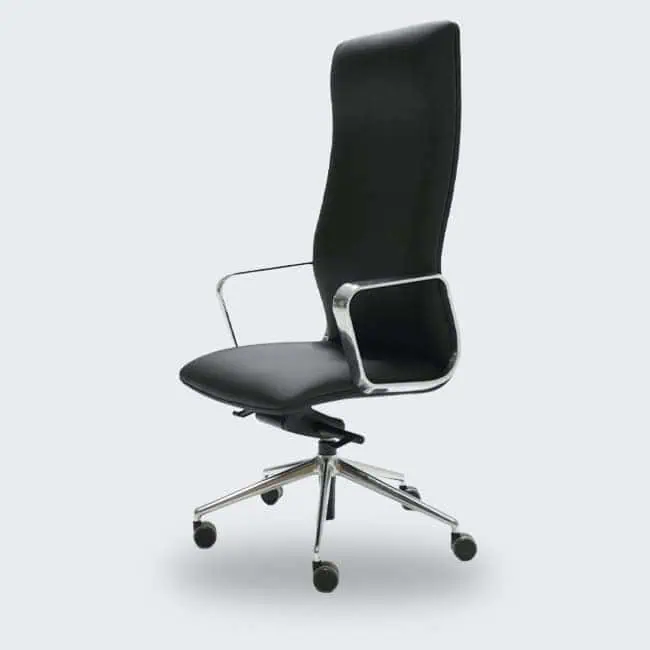
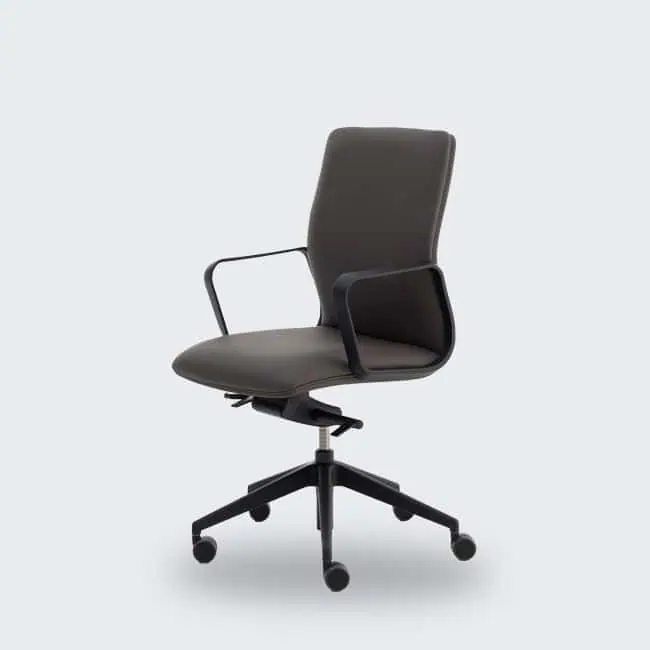
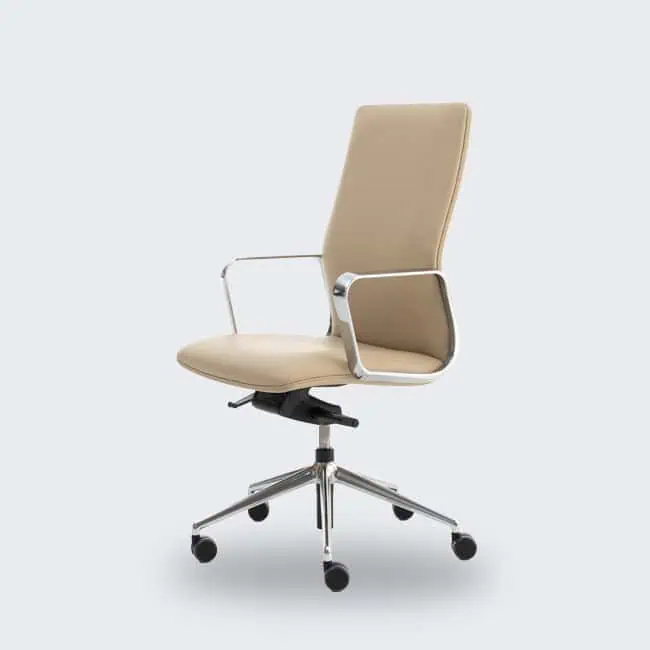
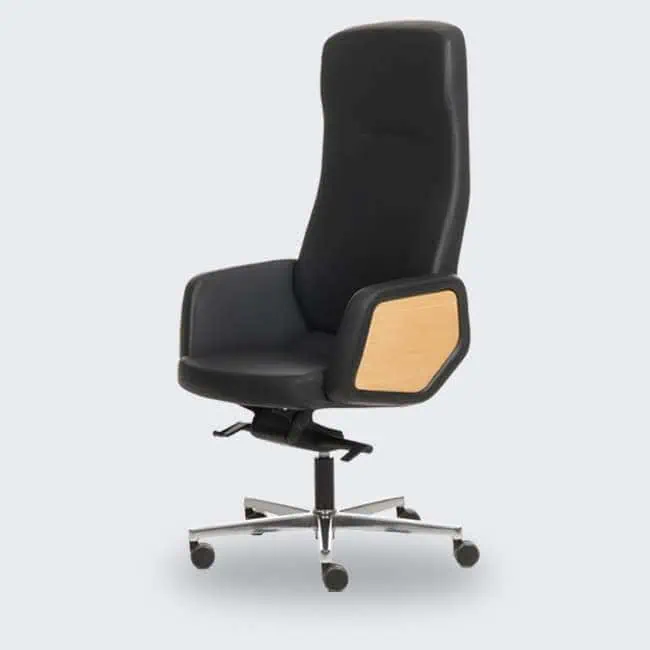
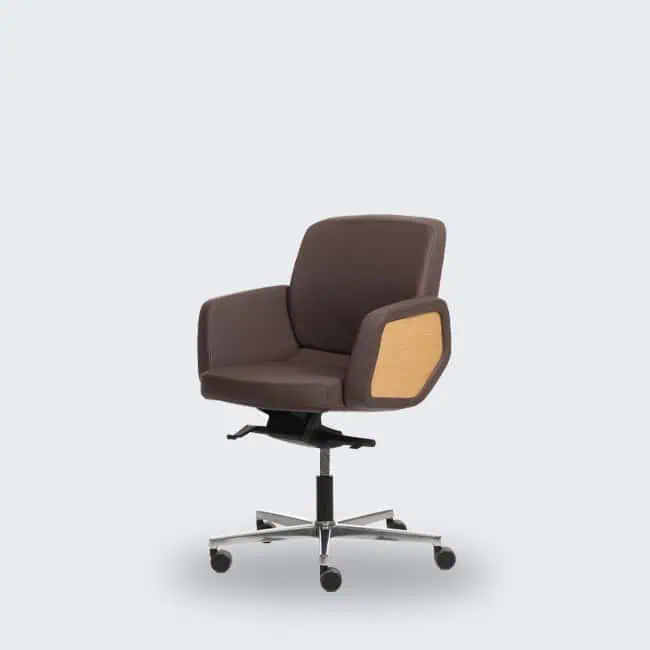
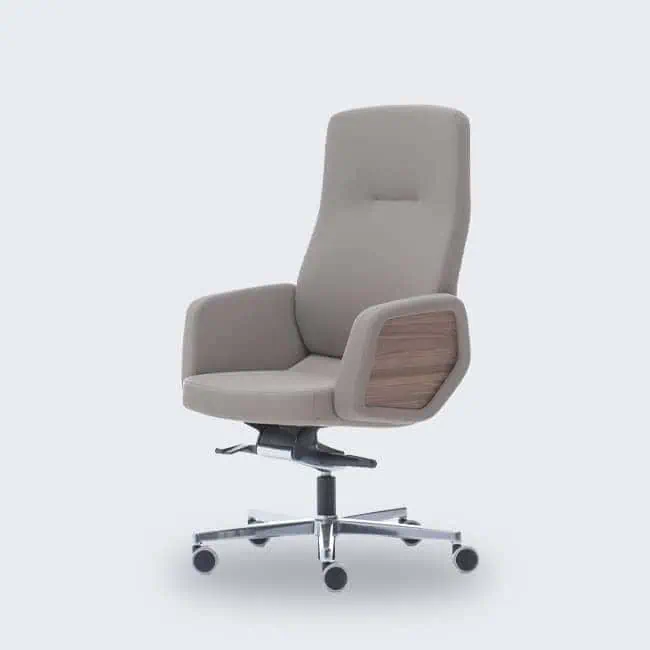
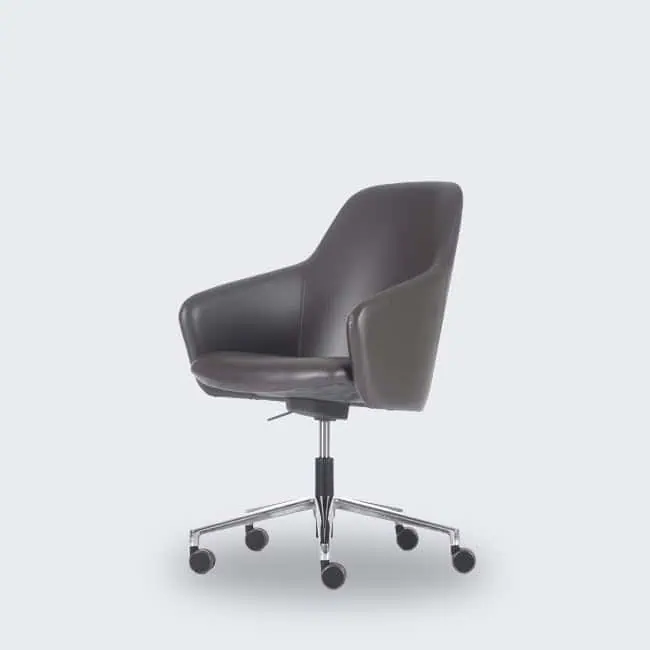
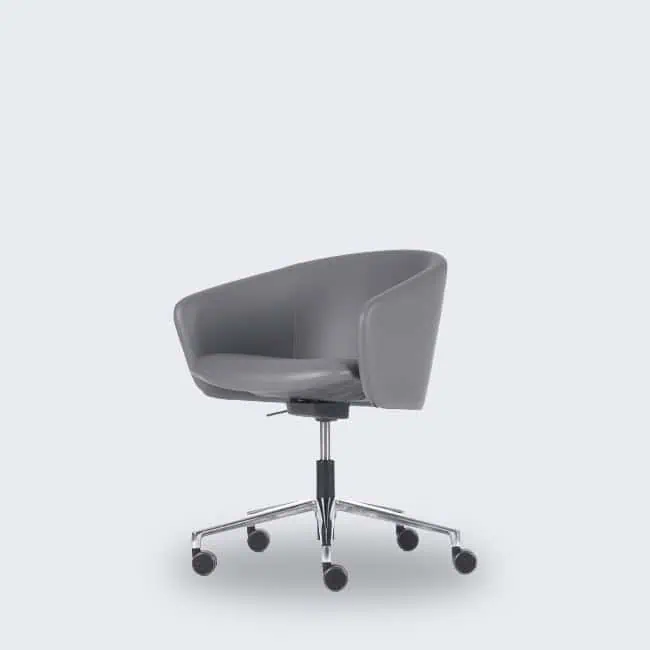
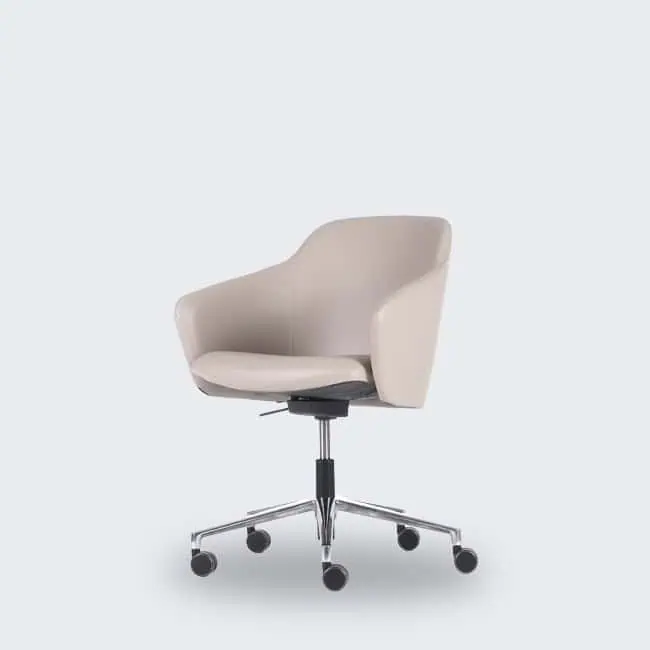
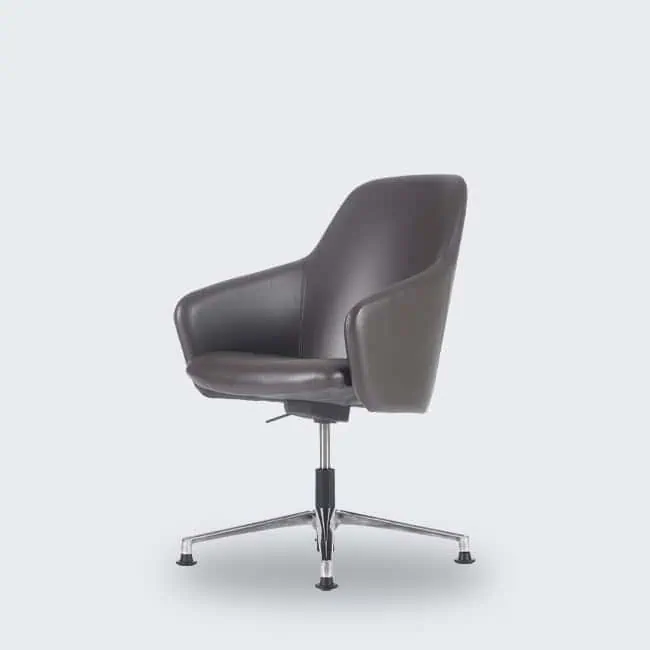
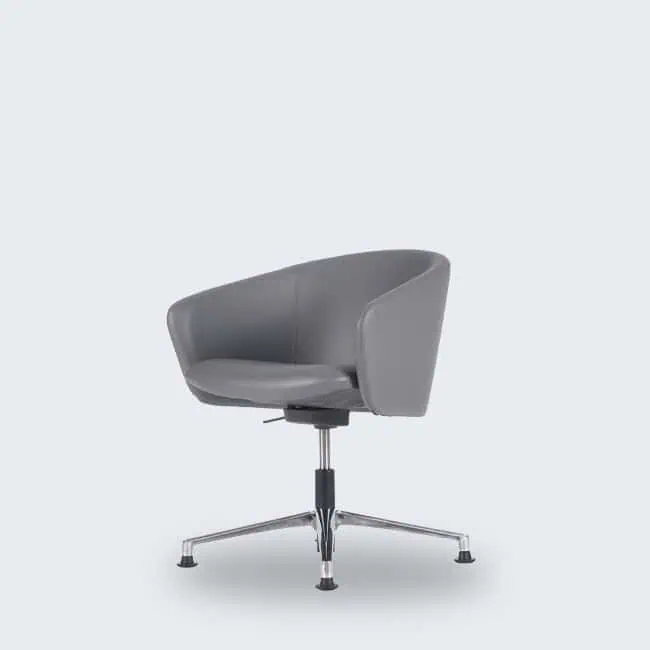
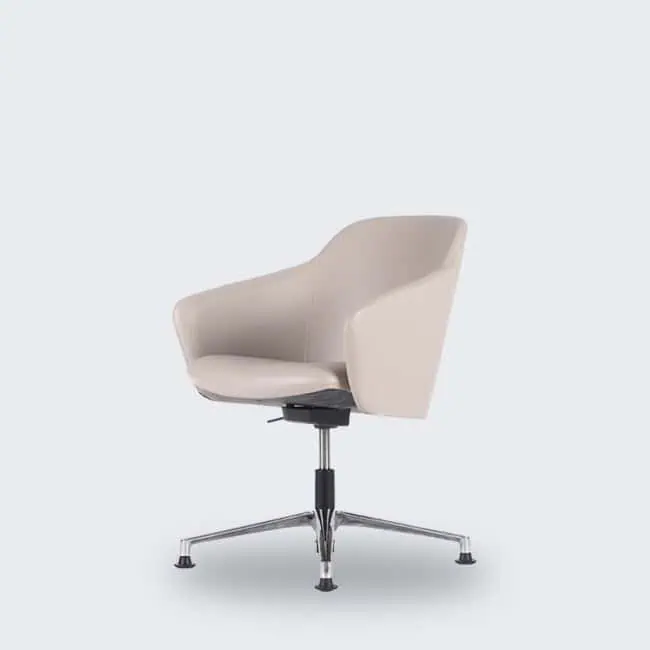
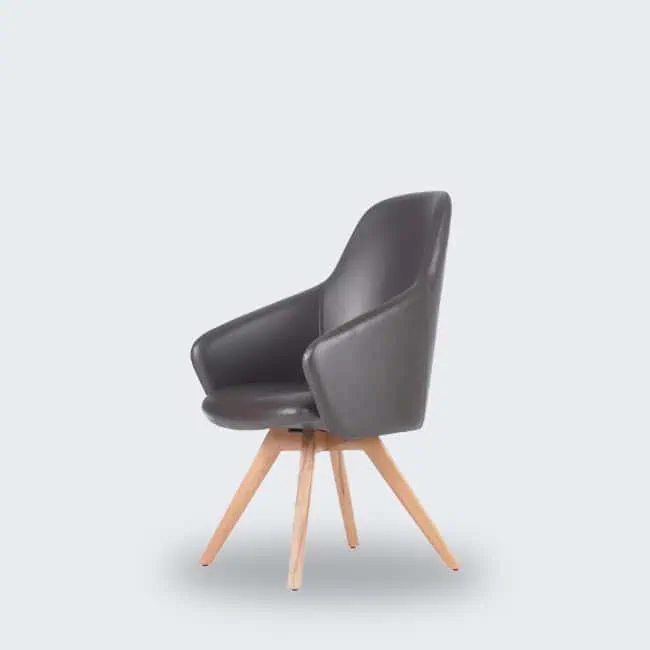
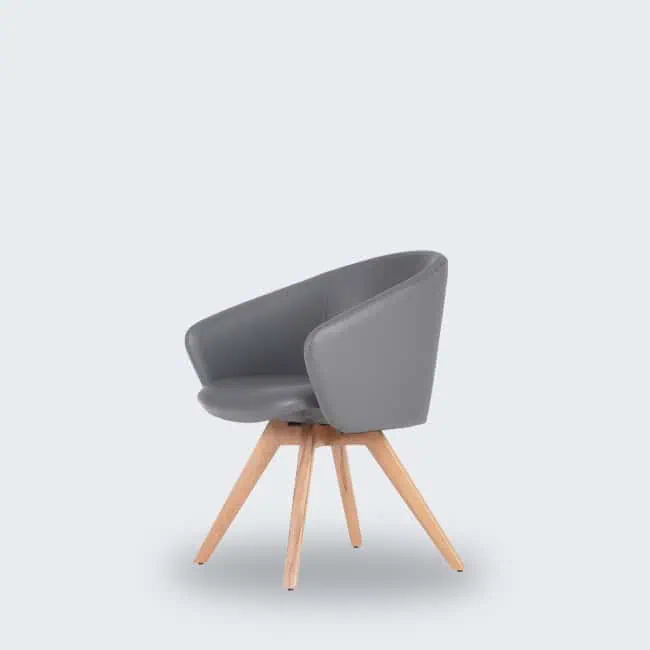

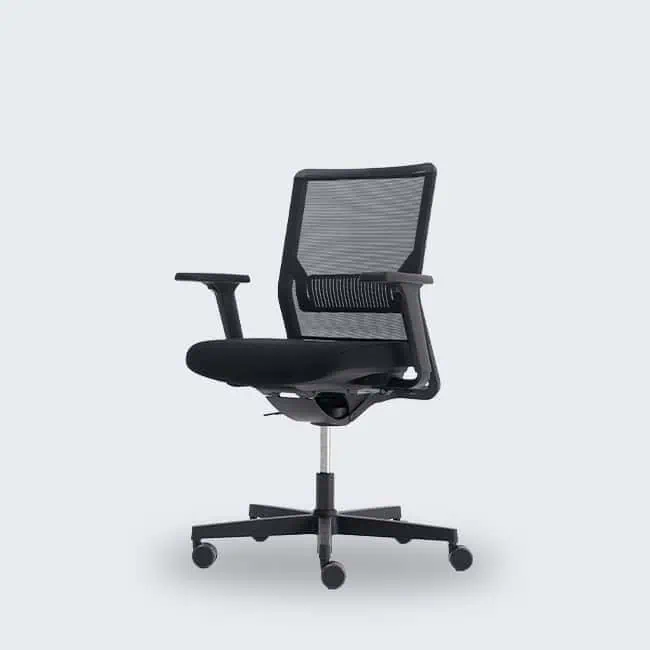
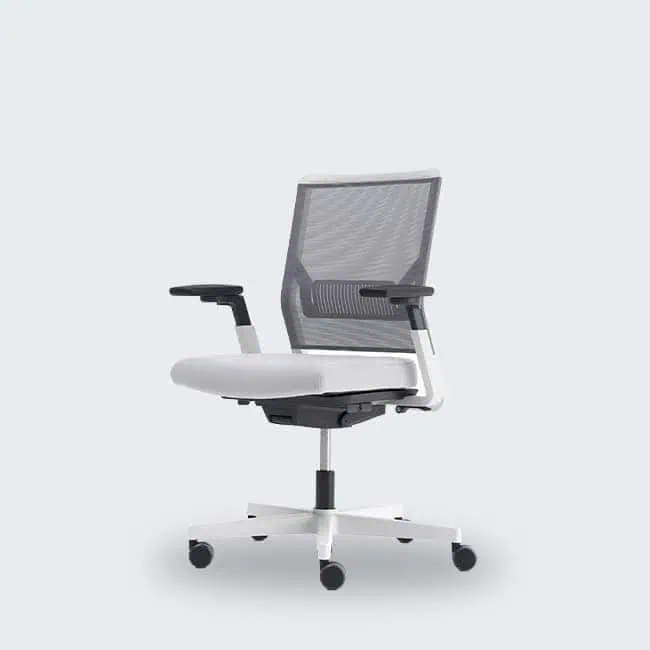
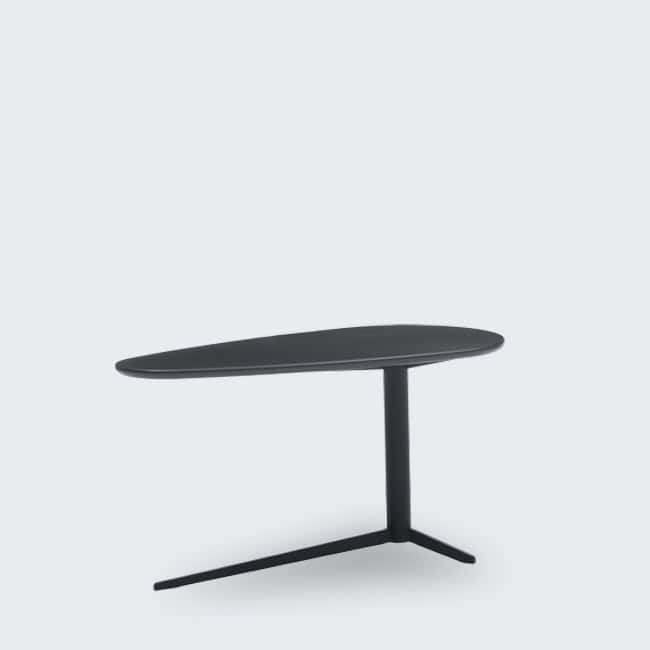
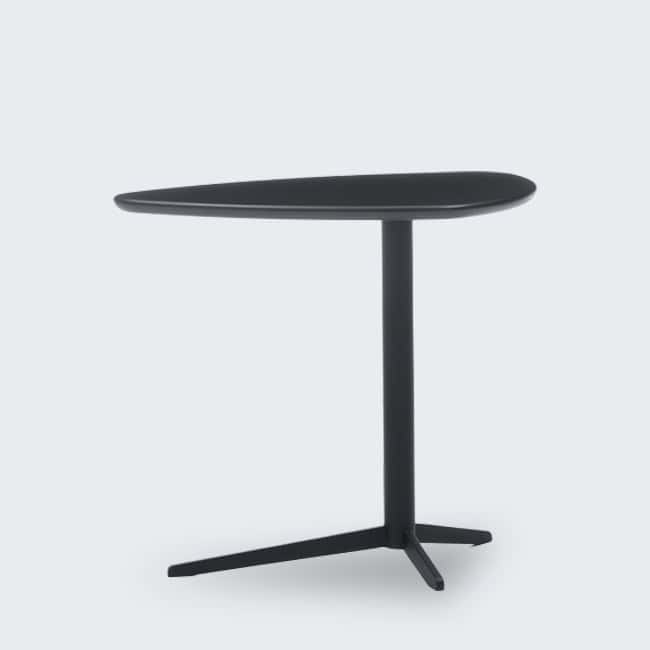
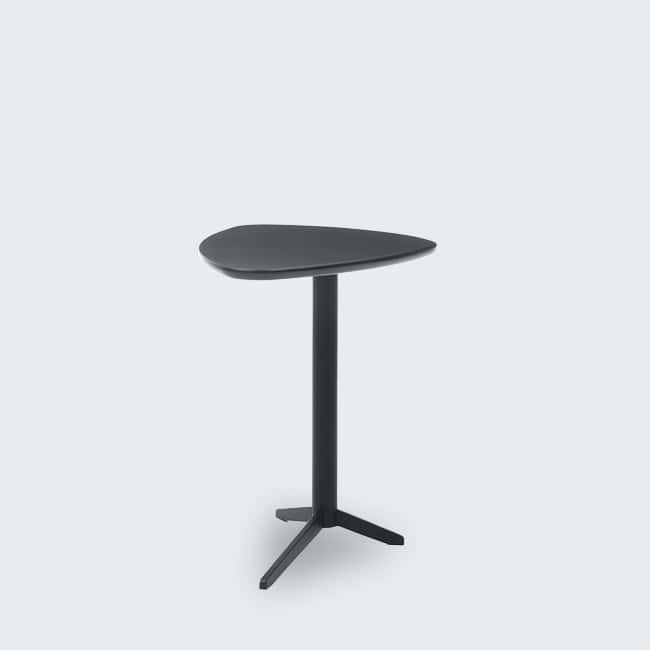
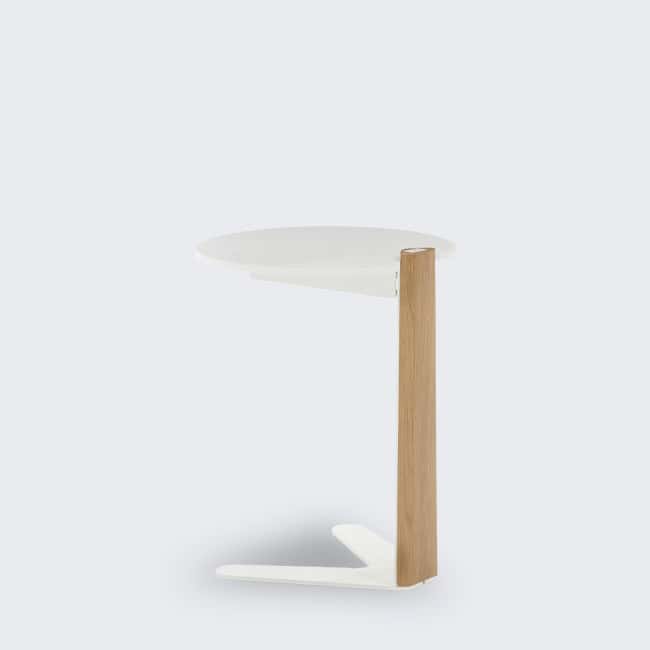
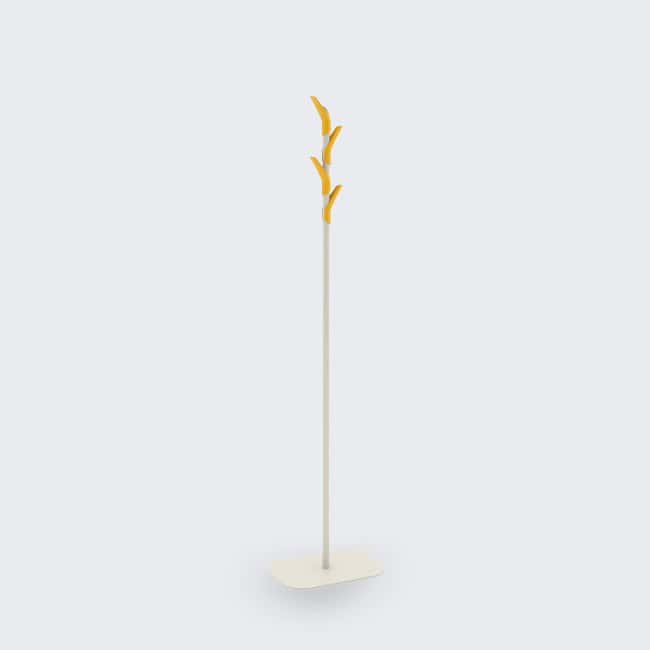
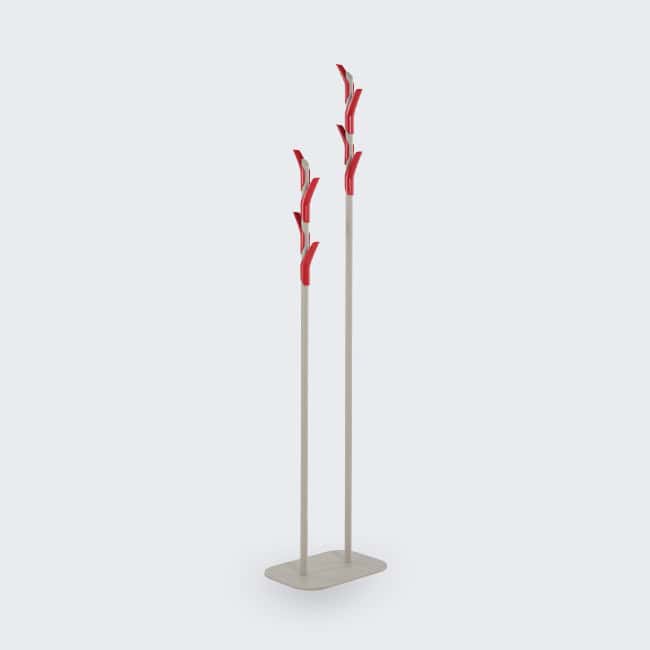
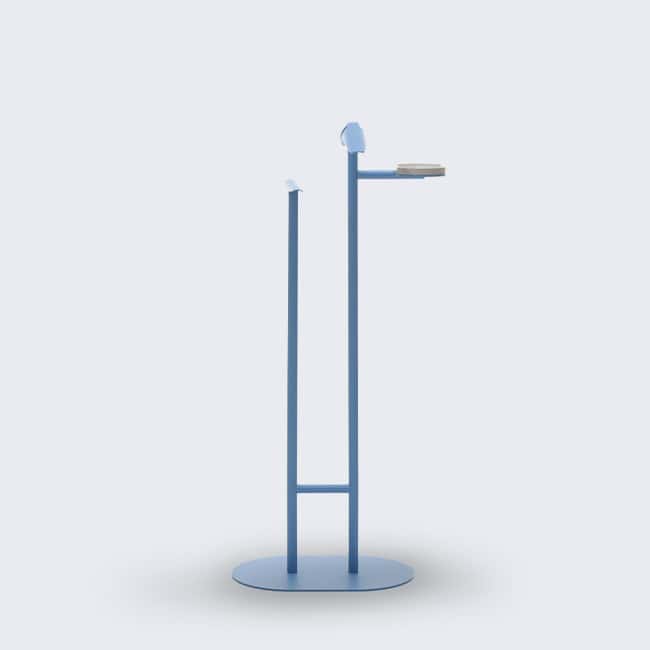

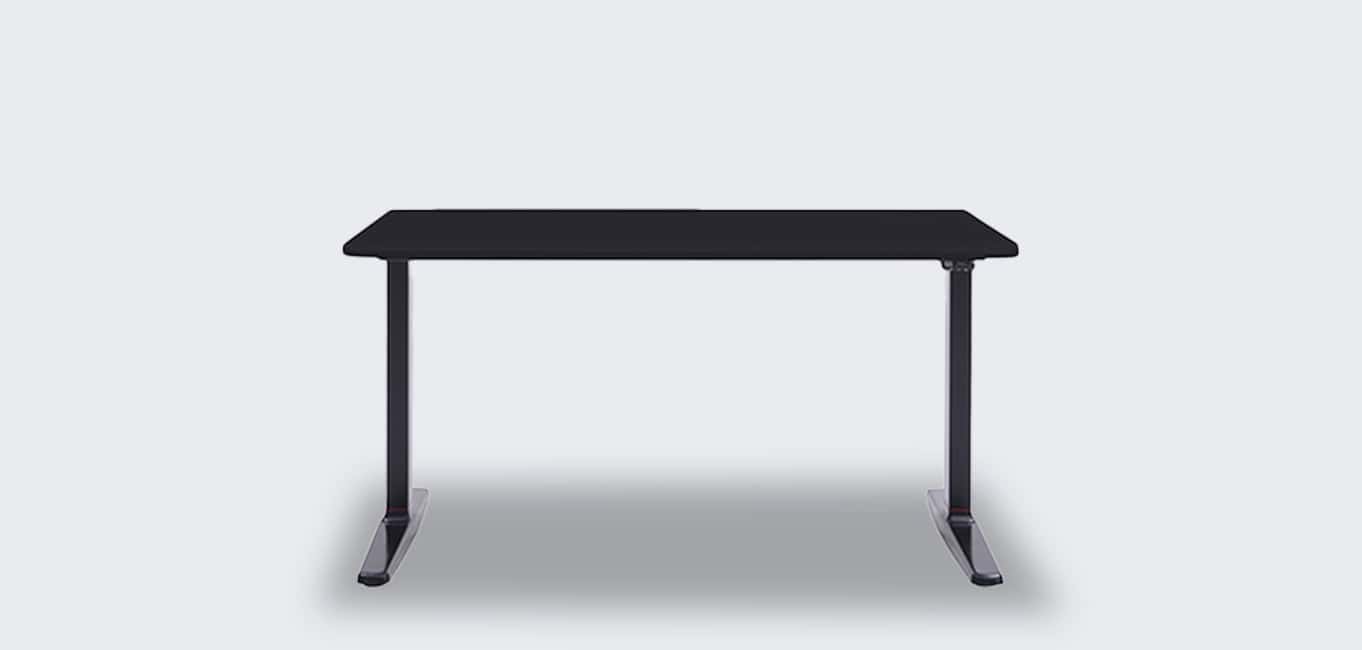
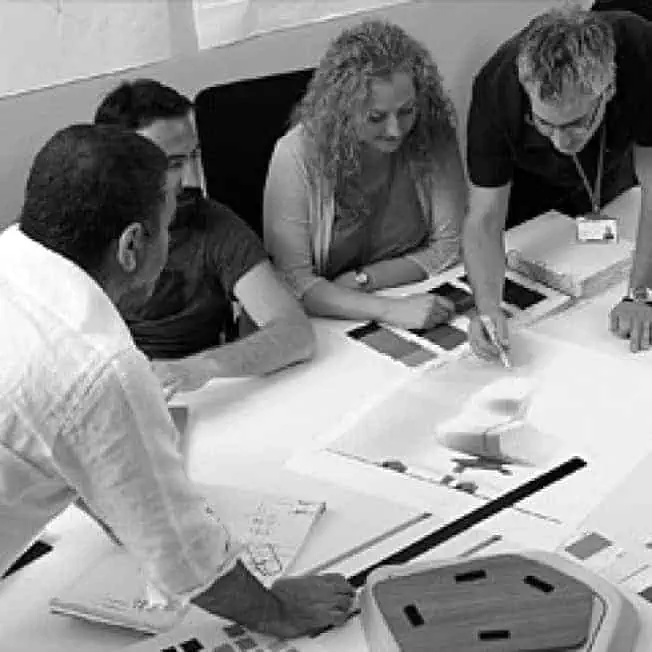
Nurus Design Lab (Nurus D Lab) is managed by Renan Gökyay, Nurus Group’s Executive Vice President and a regular lecturer at Middle East Technical University, Industrial Design Department. From determining the design strategy of the brand to launching the product, Nurus D Lab manages all phases of the brand. Working in harmony and cooperation with other designers as well during the product development phase, the starting point for Nurus D Lab is the needs of the user and functionality. Nurus D Lab closely follows scientific and technological developments to always be up to date and designs products that are beyond the times, because it observes user needs and listens to the dreams of the users. Nurus Design Team works with care, attention and devotion in order to create the products that will best answer the need that initiates the design. Every small idea is taken into consideration and discussed by the Nurus Design Team, which is made up of creative and talented individuals. Each and every detail of the designed product undergoes advanced examination and testing. Human Engineering, as well as computerized design technologies and artistic approaches are the three main points of Nurus D Lab’s very detailed and meticulous work. The final product that is offered to the users is always the best one among many bright ideas. Thus, Nurus D Lab manufactures extremely functional, ergonomic and esthetic products.
Paul Brooks is a British designer who lives in France and works in Germany. Brooks is a reputed expert on office seating and his Anglo-German studio produces design solutions that are focused and conscious for furniture companies and suppliers in Europe and the United Sates. An international name and winner of many design awards, Brooks was given the GOOD DESIGN award for his chair design (Stylex), IF Design Award for his Yanos chair design (Girsberger), GIO and C2C Silver Award for his A2020 chair design (Ahrend), Neocon Canada Golden Award for his Mars chair (Boss) and Red Dot Award for his Linea chair (Viasit).
Phidias Leonida is the co-founder and creative lead of London-based design studio One Dot Four. With extensive experience in industrial design, he has developed numerous commercial projects focused on workplace strategy, furniture design, ergonomics, and product development. One Dot Four is the design studio behind Olo, developed in collaboration with Nurus. Leonida has also contributed to various international sustainable design awards as a jury member and speaker. His design approach values collaboration, sustainability, and innovation — bridging the gap between user, maker, and system. He believes that “nothing makes sense without empathy.”
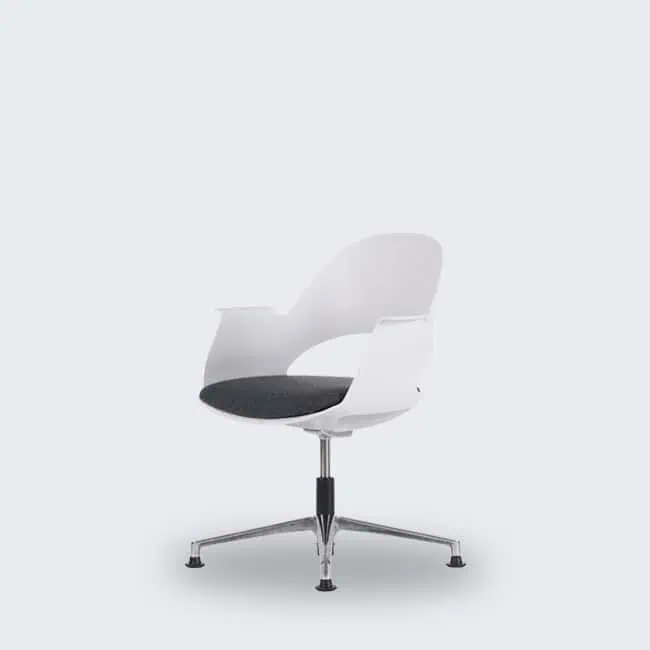
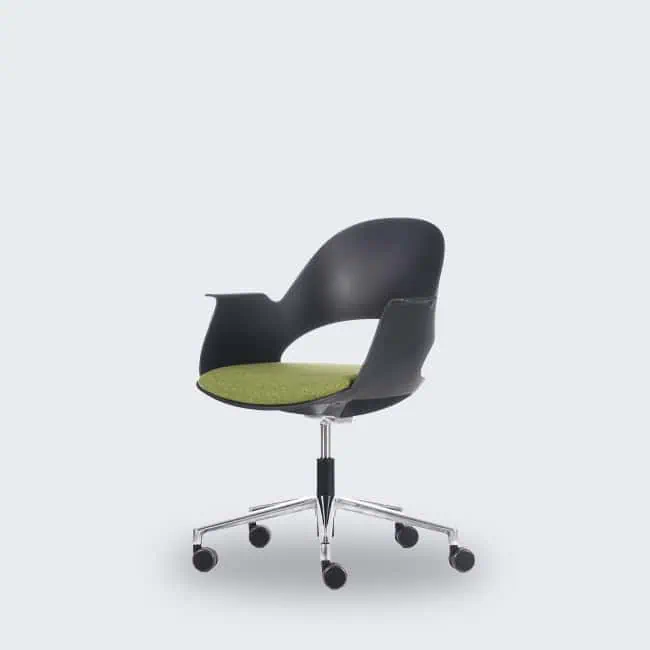
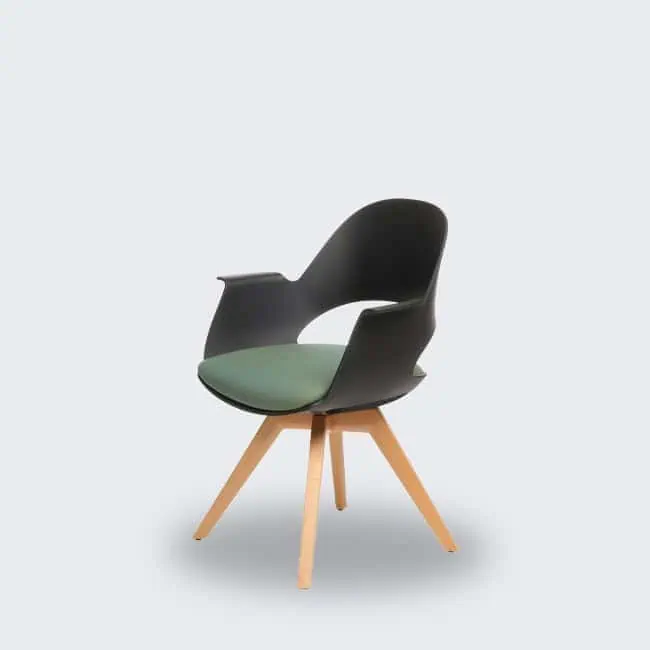
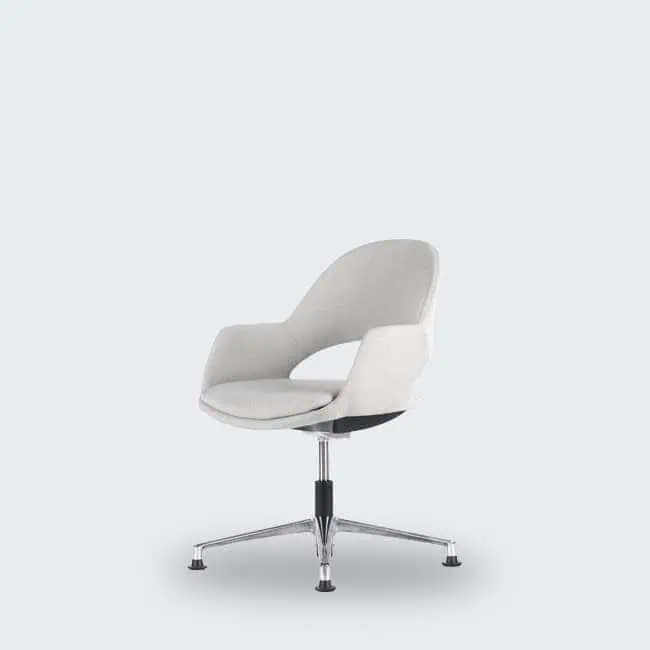
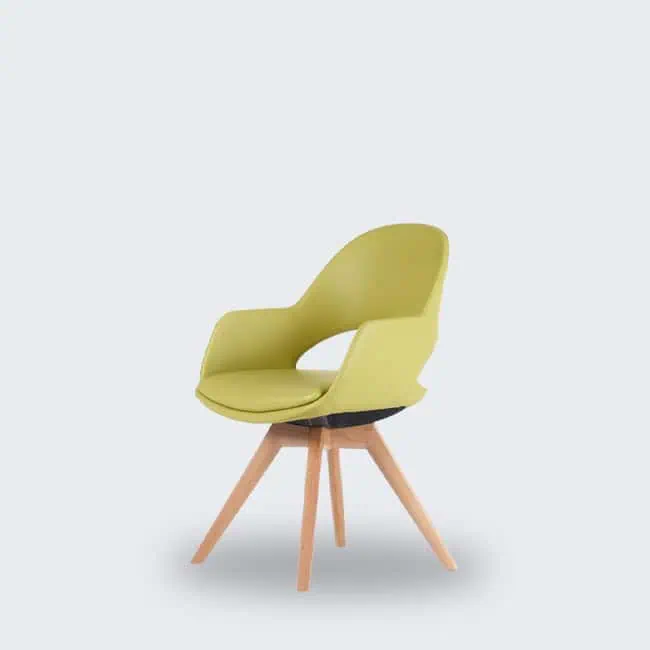
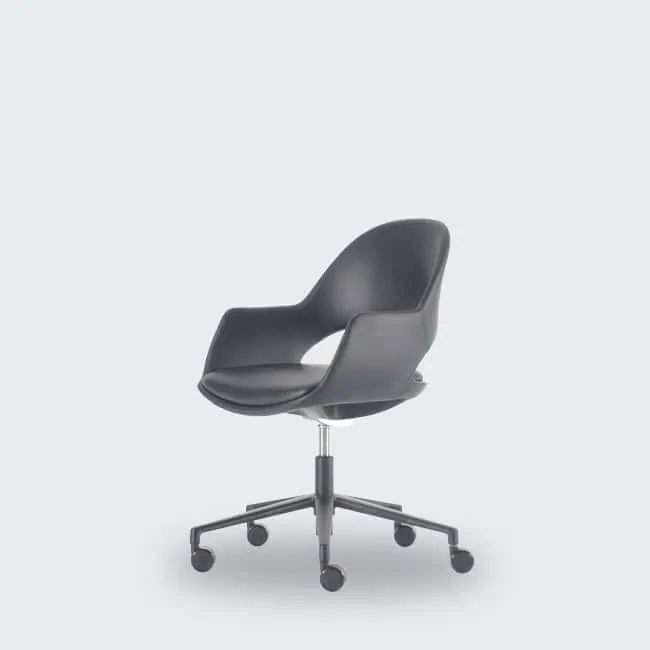
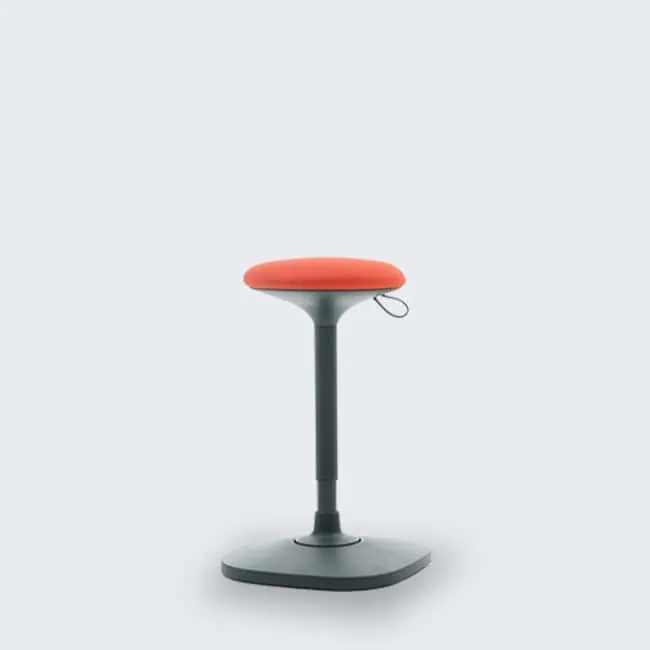
Stefan Brodbeck studied product design and architecture in Kassel. His professional career began at the architectural firm Eichinger oder Knechtl in Vienna. As an industrial designer, he worked at frogdesign in Germany and later at frogdesign in Palo Alto, USA. Brodbeck, who specializes in various fields, founded his own design studio, Brodbeck Design, in 1994. Brodbeck’s designs are characterized by a strong strategic approach and a marketing-focused design philosophy.
As Designer and founder of ID AID, Sven von Boetticher is working at the intersection of design, strategy, and research. Founded in Stuttgart in 2011, ID AID is an independent design studio that develops innovative concepts, products and strategies for national and international companies and brands. Intense dialogue with our customers, profound research and market observations, as well as the daily encounters with technology and trends, form the basis of our work. Sven von Boetticher has surrounded himself with an expert team of designers, supported by an interdisciplinary network of specialists, ensuring the long-term success of our customers. With a team-oriented work ethic and an open corporate culture, there is enough room left for creative ideas to flourish. Designing products as we know how, providing brand consultation and strategic planning, our approach involves customer proximity, discretion and independence. In the process, we remain focussed on target group requirements and production processes, developing archetypal product solutions and authentic brand communication concepts. At the end of the day, passion and innovation go hand-in-hand with quality and sustainability.
Born in 1962, in Istanbul, Tanju Özelgin graduated from the Faculty of Fine Arts Industrial Design Department of the Marmara University in 1984. In 1987, Tanju Özelgin founded Scala Design, and 1987 he designed and implemented projects for fair stands, yachts, showrooms, homes, offices, publicity campaigns, furniture and industrial products. Between 1993-1995, he worked with IN Mobilya (IN Furniture), of which he was a founding partner and cofounded Parlak Kırmızı (Bright Red) in 1996 with Ertan Binme, where they concentrated on interior design projects and applications, designs and development of industrial products, preparation of digital and video graphics. Since 2005, he continues his work at TO Design Studio, which focuses on interior design and industrial product design. Özelgin also continues to work as faculty member and project counselor since 1998. He is a jury member, exhibition participant and workshop manager in many competitions.